How to protect the paint on Overland Camping Mercedes Sprinter Vans | Portland Beaverton
The problems and difficulties with maintaining the paint on a Sprinter van and other large overland vehicles.
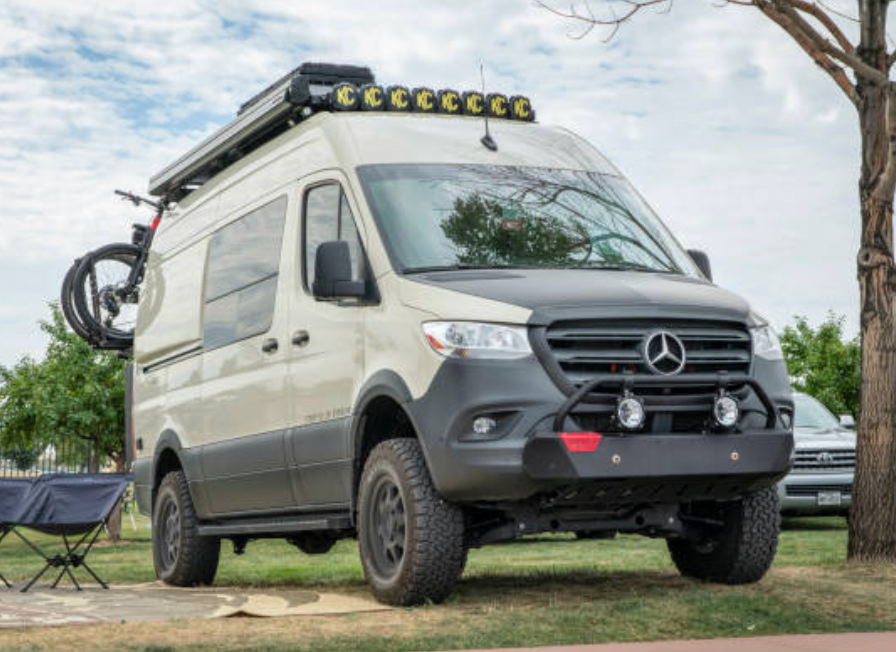
In the world of overland camping, our Sprinter vans and rigs are not just a mode of transportation; they’re a lifeline, a shelter, and often, our home away from home.
With the rugged terrains and unpredictable weather conditions our vehicles face, maintaining the appearance and condition of the paint becomes a significant concern if we care anything about protecting our investment, and maintaining a sense of pride of ownership.
The biggest drawback of customized overland vehicles (whether you have a little Toyota Tacoma lifted just a bit, or a $500k+ Mercedes Sprinter van dually 4x4) is that our trucks can be a serious pain to wash. Of course they’re too large to go through an automated drive-thru wash, so hand-washing is our only option, and due to all the equipment many of us have mounted on the outside, handwashing takes MUCH longer than a normal car, so consequently… we tend to not wash our Sprinter rigs as frequently as we should.
At
Fresh Start Detail & Ceramic Coating Co., we’ve spent years specializing in these larger-than-life vehicles at our shop here in
Beaverton. We understand that for an overlander, your rig isn't just a van—it's your home on the road, and it deserves a level of protection that matches the investment you've put into it.
In this blog post, I will explore the benefits and downsides of ceramic coating for overland camping Sprinter vehicles, particularly focusing on how they may simplify vehicle maintenance and protect against the elements versus their cost and any other potentially negative aspects of a ceramic coating.
This way I believe we can make the most informed decisions about how to get the most enjoyment from our Sprinters and still preserve the resale value and the quality of the paint appearance without overly frequent and tiring hand washing.
Understanding Ceramic Coatings for long term paint protection
Ceramic coatings are a clear liquid polymer that chemically bonds with our vehicle's factory paint. They actually become part of the paint, giving a thicker and harder protection against the many environmental contaminants that we all encounter think tree sap, bug splatters, bird poop, etc).
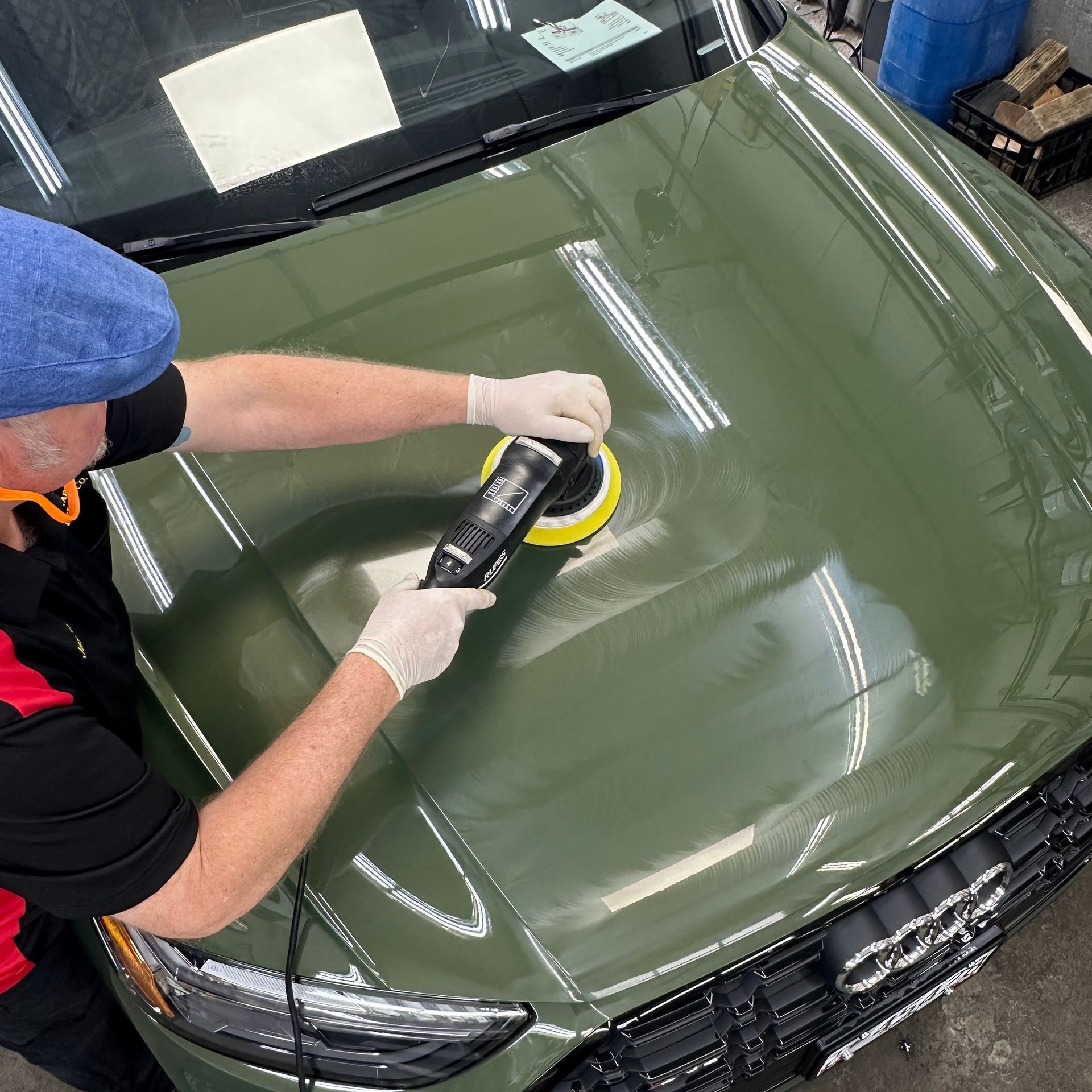
For the best results, these ceramic coatings are applied by trained and certified professionals who know all the specific steps that must be performed for the correct chemical reactions to take place for the coating to be effective as advertised.
These professionals will also stand behind the product if anything goes wrong over the years you own your Sprinter.
Unlike traditional wax or sealants, which sit on top of the paint and wear away quickly, ceramic coatings form a strong, durable layer that last for many years. This advanced protection offers numerous benefits, especially for our overland Sprinters that frequently encounter dirt, mud, and harsh environmental conditions, usually much more than traditional daily-driver cars or garage-queens who live a life of roofed protection and frequent pampering.
The lifespan of any specific ceramic coating can range from 3 years at the shortest, to a lifetime coating for the longest.
Why Overland Sprinters Need Extra Protection
Sprinter-type vehicles are built to withstand challenging environments. However, this rugged use exposes them to a range of elements that can cause significant damage to the paintwork.
Here are the most common causes of paint damage on our vehicles:
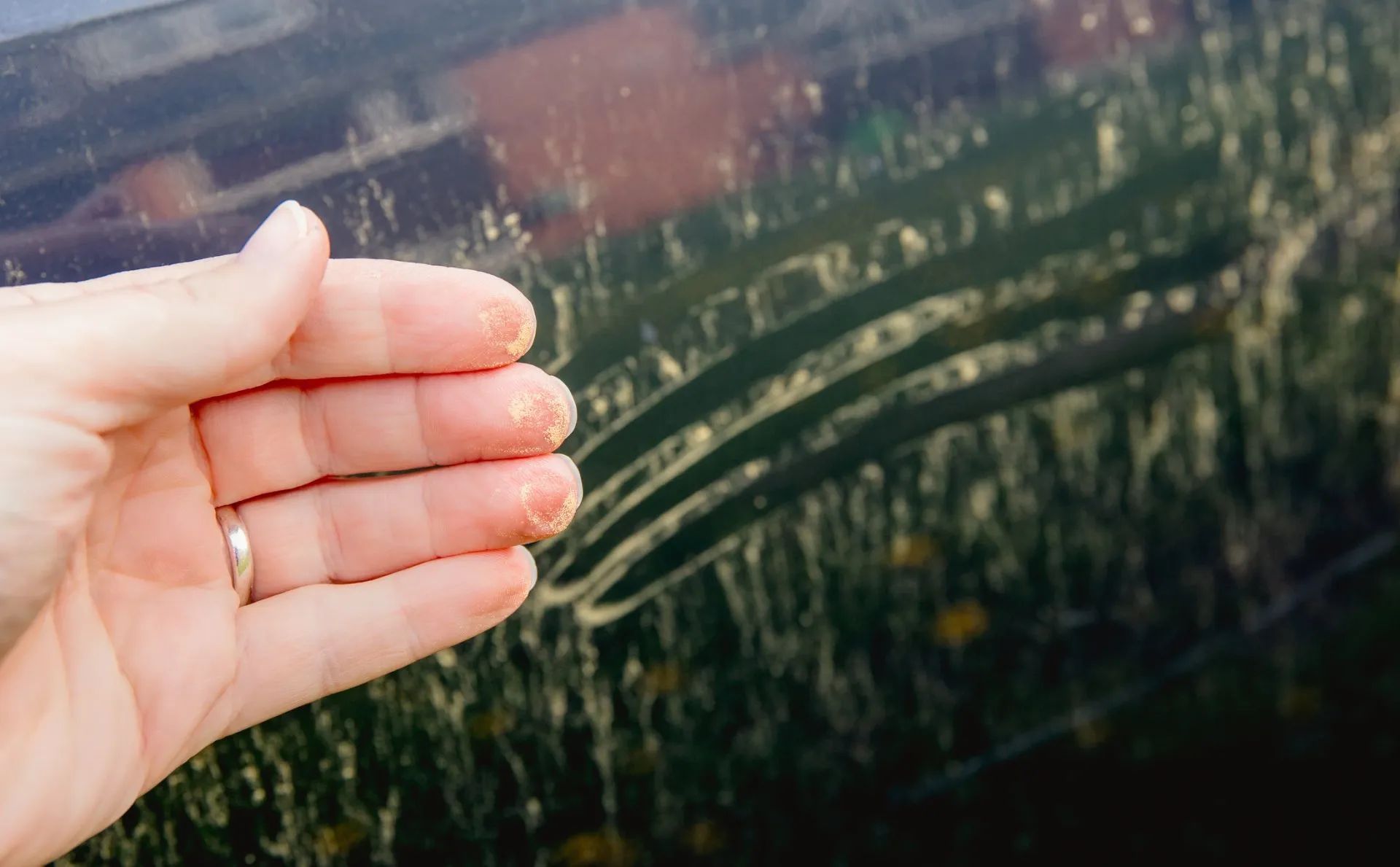
1. Tree Sap: Whether you’re parked under a canopy of trees or driving through wooded areas, tree sap can drip onto your vehicle. If not removed promptly, it can harden and become a nightmare to clean before it causes permanent damage to the paint.
2. Bird Droppings: Bird poop contain acids that, if left on the surface for too long, can eat through your paint. This not only affects the aesthetic appearance of our rigs because these patches look so bad once they’re permanent, but they also lead to costly painting repairs at a body shop.
3. Bug Splatters: Insects can be a frequent nuisance while driving on trails or highways especially east of the Cascade Mountain Range in Central and Eastern Oregon and Washington. Anyone who’s driven in these areas during the summer knows how bad bug splatter buildup is on the hood and front bumper of a Sprinter! These bug remains are acidic and will etch into the paint if not cleaned off quickly.
4. UV Rays: Due to the larger size of our overland vehicles they are frequently parked outside and not in a garage. This means they are exposed to more sunlight, which fades and oxidizes our paint over time.
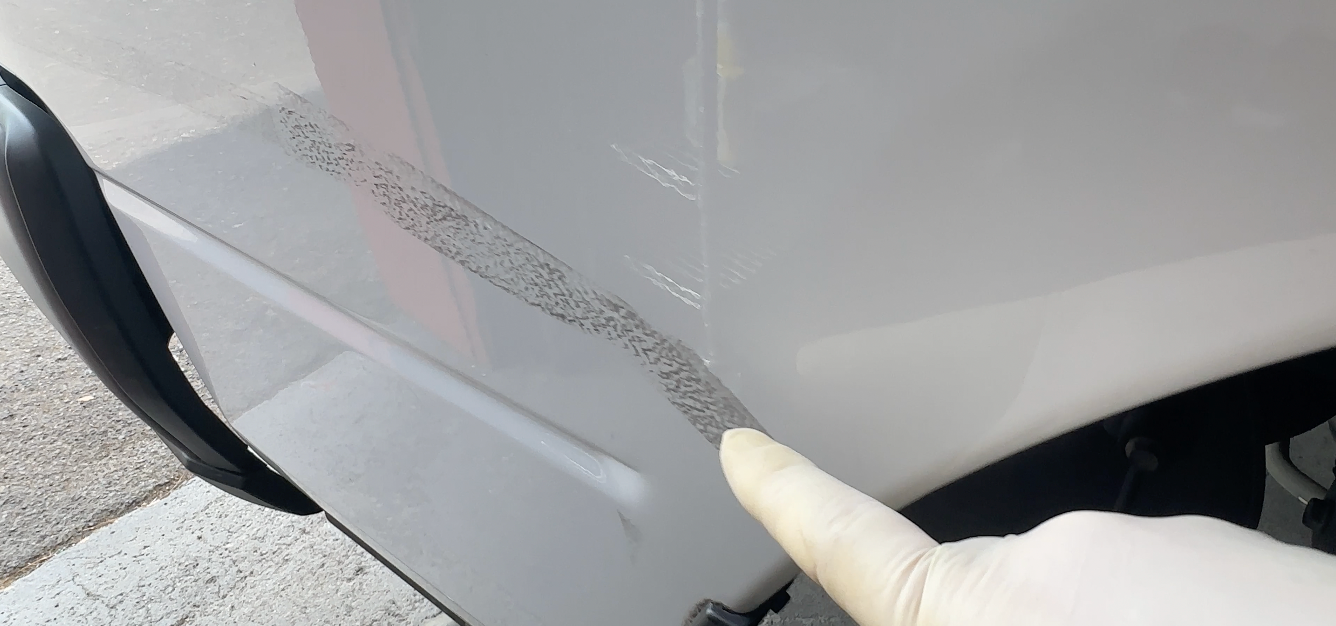
5. Scratches and Swirls: Off-road adventures can lead to scratches and swirl marks from branches, gravel, and other debris. Unfortunately, ceramic coatings offer little in the way of protection against heavy impacts like rock chips and tree-branch gouges as we’re exploring those haired-over gravel roads we’ve been wanting to explorer (Googlemaps says it goes all the way through to the main road… let’s take it!) So this may be one of the “cons” of a ceramic coating, they don’t protect against “forest pinstripes”.
Given these potential hazards, protecting our overland vehicles with a ceramic coating is not really a luxury; it’s just a smart financial decision that extends the life and appearance of our investment.
Benefits of Ceramic Coating for Overland Vehicles
Because of the unique challenges these vans face—from 'forest pinstripes' to high-altitude UV exposure—we typically recommend a Professional Ceramic Coating for protection and ease of cleaning. Unlike a standard wax, this creates a permanent chemical bond that acts as a sacrificial layer between the elements and your factory paint.
1. Enhanced Durability
Ceramic coatings are known for their incredible durability. They can withstand harsh weather conditions, UV rays, and environmental contaminants much better than traditional waxes or sealants. For Sprinters that regularly traverse rugged landscapes, this durability means that our vehicles will look newer for longer, reducing the need for frequent wax jobs and sealant reapplications.
Depending on the level of ceramic protection you choose, ceramic coatings range in lifespan of 3 years to the lifetime of your vehicle. Seven-year ceramic coatings seem to be the most popular because of their great durability within a reasonable cost. But for those of us who want the absolute best protection, we’ll choose the 4-layer lifetime ceramic coating. I mean, when you’ve spent well into 6 digits buying and outfitting our rigs, a few thousand dollars to protect the paint for life is a no brainer.
2. Easier Cleaning
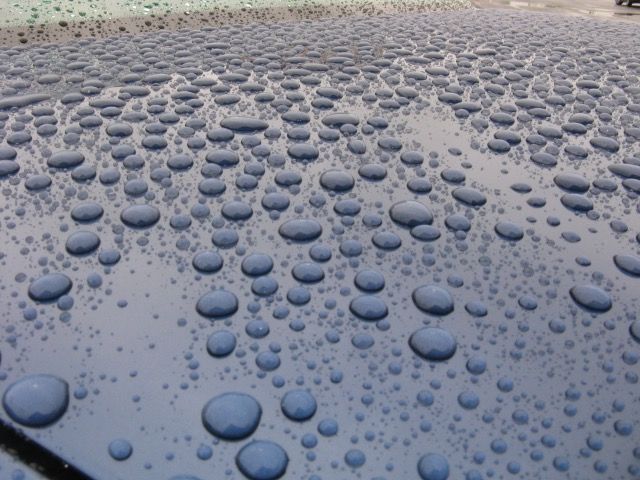
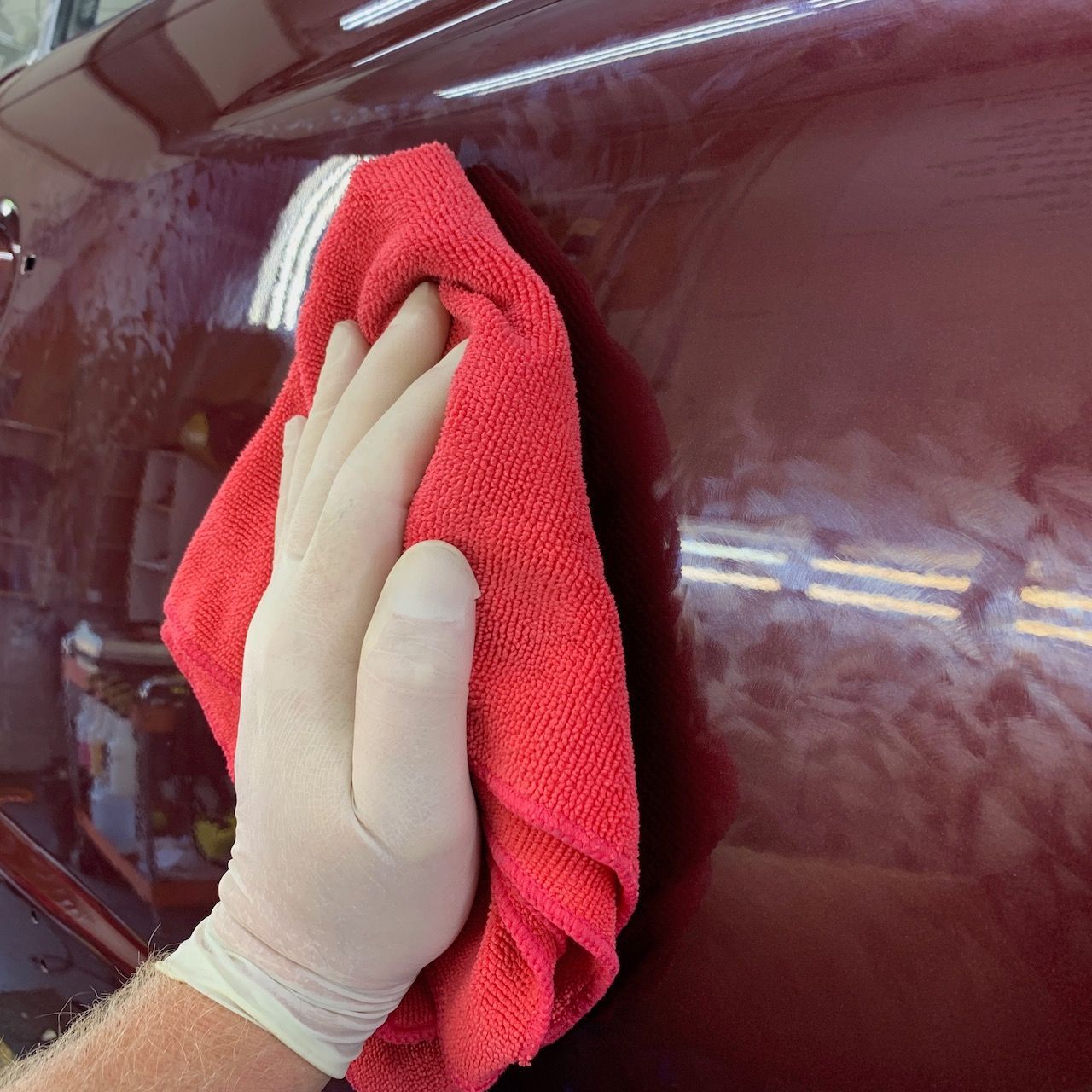
One of the most significant advantages of ceramic coating is how it alters the surface of our vehicle’s paint. The slick, hydrophobic surface repels water and contaminants, making it much easier to wash. Mud, dirt, and grime will slide off much easier, rather than clinging to the surface, which is particularly beneficial for overland vehicles that often get caked in mud during our adventurous travels. This “ease of cleaning” saves time and effort—which is vital for us overland enthusiasts who may want to get back on the road quickly. Of course some of us love the meticulous and satisfying process of cleaning our Sprinters after a long trip, but even for us cleaning-masochists, we find our efforts to be more rewarding when our cleaning efforts yield a like-new result due to the protective benefits that ceramic coatings offer.
3. Protection Against Environmental Damage
As mentioned earlier, our overland vehicles face numerous threats from the environment. A ceramic coating acts as a barrier, protecting the paint from corrosive substances like tree sap, bird droppings, bug splatters, etc. By preventing these materials from bonding to the paint, we can avoid costly repairs and maintain our vehicle’s aesthetic appeal by keeping the paint as shiny as possible with minimal effort on our part.
4. Long-Lasting Shine
A freshly waxed vehicle looks great, but that shine doesn’t last very long does it? Waxes are meant to slough-off after just a few months. They’re a cheap and thin sacrificial layer that used to be the best protection we could get for our paint. But professional-grade ceramic coatings, on the other hand, have been proven to keep our vehicles looking glossy for many years. The long-lasting shine enhances the overall appearance of the paint, making our vehicles stand out wherever we go, from the campsite, to the backroads, to off-road, and yes even in the city.
5. Increased Resale Value
Investing in ceramic coating is a smart financial move for maintaining the resale value of our vehicles. A Sprinter that looks well-maintained and has minimal signs of wear on the paint will command a much higher price when it comes time to sell. By protecting the paint and body from environmental damage, we help to ensure that our vehicles retain a much higher value over time.
6. Chemical Resistance
Ceramic coatings are resistant to various chemicals, including those found in bird droppings, tree sap, bugs splatters, and road de-icer and grime. This resistance minimizes the risk of paint damage caused by all those harsh substances, allowing us to spend less time worrying about potential paint problems, and more time enjoying our adventures.
7. Protection from Corrosion
Overland Sprinters often encounter moisture, mud, and salt, especially in winter conditions much more frequently than the average grocery-getter that is only driven around town and parked in a garage. Ceramic coatings provide a protective layer that helps prevent corrosion, ensuring that our vehicle’s body remains intact and rust-free for years to come.
Cost-Effectiveness of Ceramic Paint Coating on an Overland Sprinter van
While the initial cost of applying a ceramic coating might seem high, it’s essential to consider the long-term savings we’re going to get here.
Frequent detailing and paint correction services can add up quickly, especially for our relatively huge vehicles that endure heavy use (and let’s face it, they also don’t get washed as frequently as they should)
So by investing in a ceramic coating, we reduce the need for these detailing an washing services as frequently, ultimately saving us money.
Additionally, avoiding damage from environmental factors translates into fewer repair costs down the line. The financial benefits of maintaining the paintwork, protecting our investment (and preserving resale value) all contribute to the cost-effectiveness of a ceramic coating.
Overland vehicle brands that benefit the most from a ceramic coating
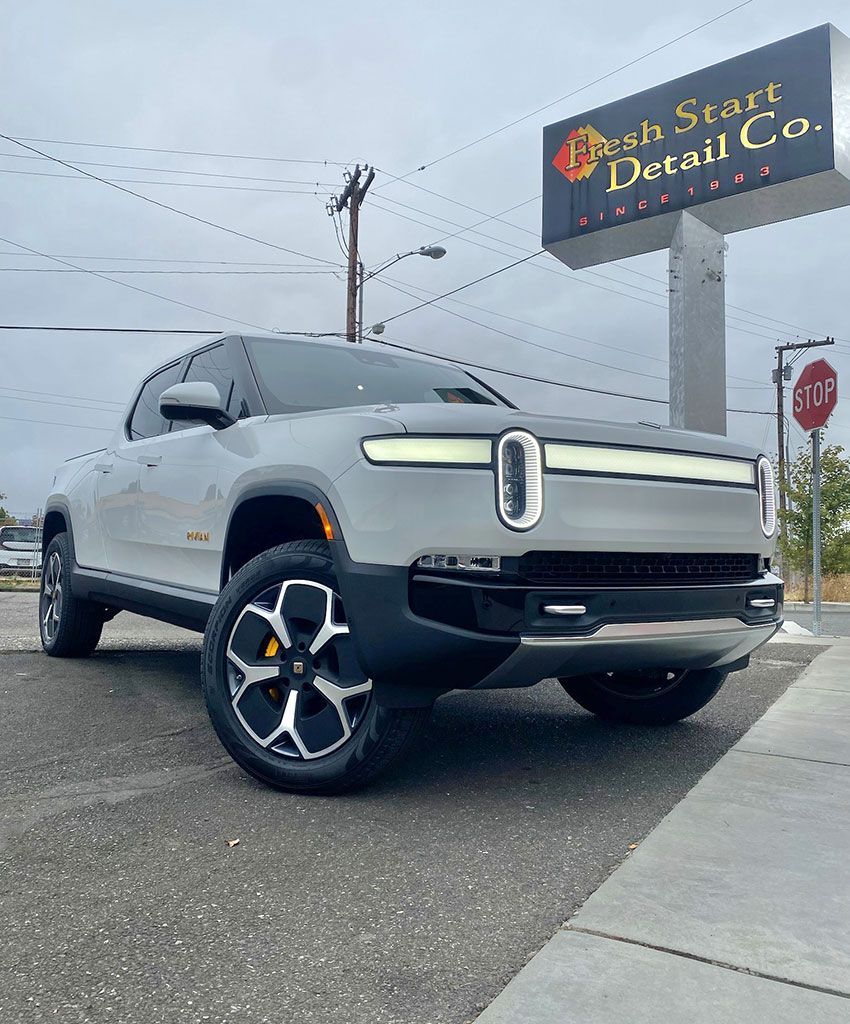
Maybe you have the ubiquitous Mercedes Sprinter van, or the omnipresent Ford Transit van or even an Iveco or anything in between that uses a chassis from Ford, Chevy, GMC, Toyota, Jeep, or Dodge (just never a Tesla Cybertruck, but sometimes the growing Rivian overlanding movement!) heck we even see Land Rover Defenders getting into the mix, but it’s more about whether you care about protecting your paint or not than it is about the specific brand of your truck. If your vehicle has paint, then it (and you) will benefit from a ceramic coating.
Conclusion and Summary
For overland camping enthusiasts like us, our vehicle is THE crucial component of our adventures. Protecting that investment with a ceramic coating offers numerous benefits, including enhanced paint durability, easier cleaning, and a longer-lasting shine. The coating acts as a barrier against the damaging effects of tree sap, bird droppings, and bug splatters, ultimately preserving our vehicle’s paint and resale value.
In a world where our vehicles are subject to the harshest conditions and environmental challenges, ceramic coating is more than just a cosmetic enhancement—it’s a strategic investment in our vehicle's paint longevity and our peace of mind. With its myriad benefits, ceramic coating provides an additional layer of protection that allows us to focus on what really matters: exploring the great outdoors, taking those back roads less traveled, and getting away from the city, all without the stress of worrying about our vehicle's appearance.
If you’re in the Portland or Beaverton area and want to spend less time scrubbing mud and more time exploring the backroads, we’d love to help. You can check out our detailing packages or reach out directly for a quick quote on your Sprinter or Overland rig.
Let's make sure your vehicle stays as adventurous as you are. Happy trails!