Do Ceramic Coatings Cause Water Spots The Truth Explained
Dispelling the Ultimate Detailing Myth About Ceramic Coatings Causing Water Spots
If you’ve spent any time reading automotive forums, scrolling through social media detailing groups, or watching YouTube automotive channels, you’ve likely encountered a persistent rumor: "Ceramic coatings can cause water spots on your paint."
As a career professional detailer and paint protection specialist at Fresh Start Detail & Ceramic Coating Co., I hear this concern from vehicle owners throughout Beaverton and the greater Portland area almost daily. After all… it’s an understandable fear if it were true, why would you invest hundreds or thousands of dollars into a premium ceramic coating only to make your vehicle more vulnerable to ugly, stubborn water spots?
The short answer? It is a myth. Ceramic coatings do not, and physically cannot, create or cause water spots.
In this blog post, I am going to break down the actual science behind water spots, why ceramic coatings are actually your best line of defense against them, where this silly rumor originated, and the unique water quality factors that affect drivers right here in Beaverton and West Portland.
What Are Water Spots and How Do They Actually Form?
To understand why ceramic coatings are falsely blamed, we first need to look at what water spots actually are from a chemical standpoint.
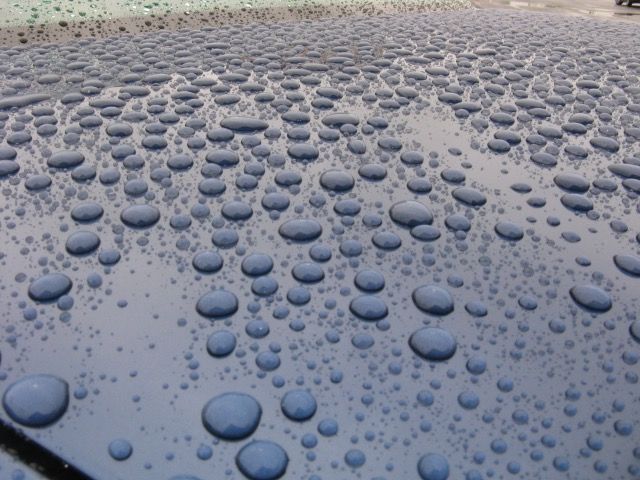
A water spot is not just "dried water." It is the solid mineral residue left behind after the water evaporates into the air. Water molecules (H2O) evaporate into gas, but the microscopic solids dissolved in the water (primarily calcium, magnesium, sodium, carbonates, and silicates) do not evaporate. Instead, they stay behind on your paint, forming a hard, crystalized spot.
I covered this more extensively in my deep-dive blog post, the science behind hard water spots on your car's paint, which clarifies the topic of the type of water touching your vehicle determines whether or not you will end up with severe mineral deposits.
Why Rain Water Doesn't Cause Water Spots
Many drivers assume that driving through a Pacific Northwest rainstorm is the primary trigger for water spots. Surprisingly, natural rain is NOT the culprit for heavy mineral spotting.
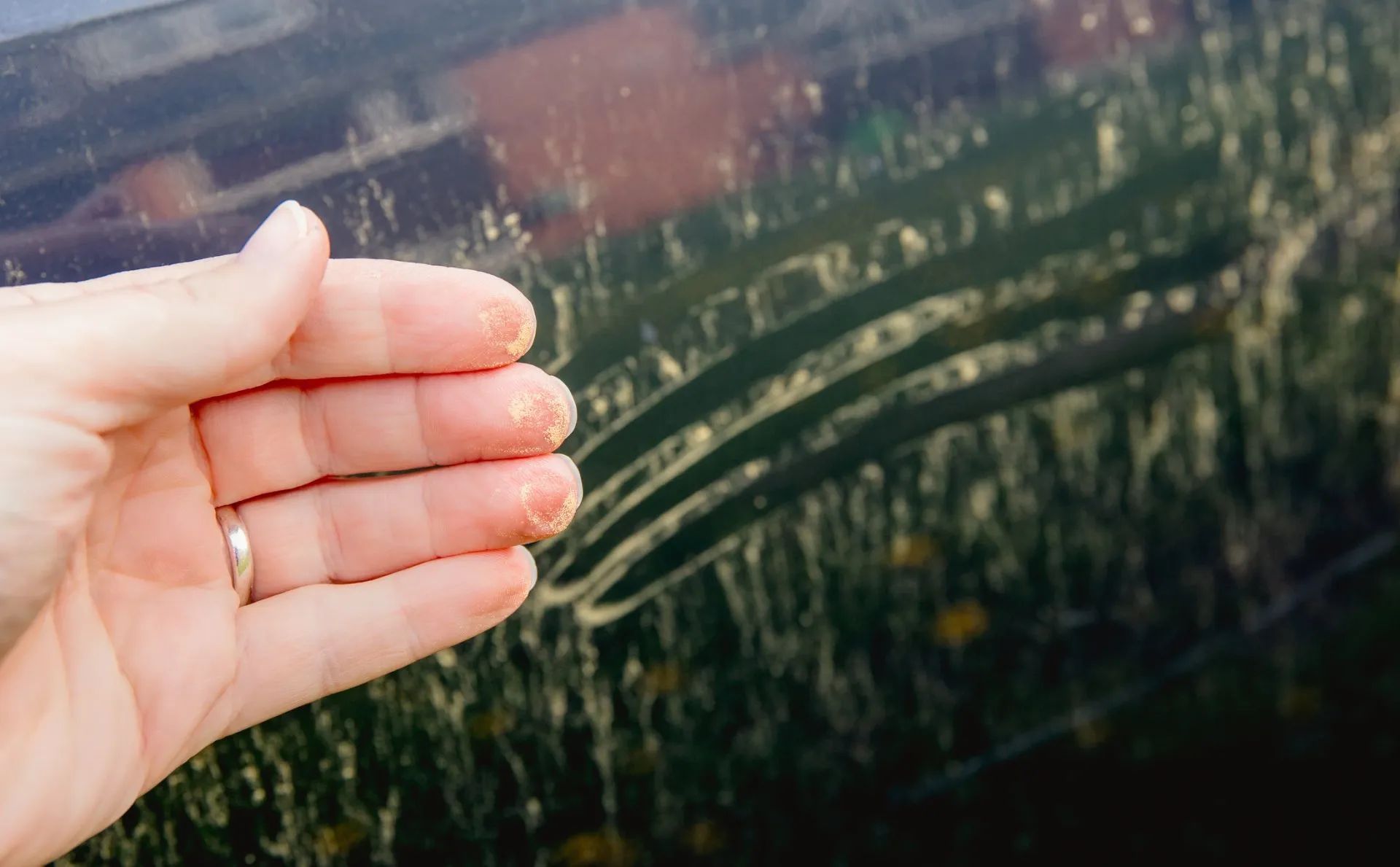
Rain is essentially a result of nature’s distillation process, so it contains none of the dissolved solids that came spots on cars. Because rainwater lacks these dissolved groundwater minerals, rainwater will dry without leaving behind chalky white mineral rings. Interestingly, rain can pick up dust particles in the sky as it falls, and bring them to your paint, leaving your car looking quite dusty even after a mild shower. But this dust isn’t harmful to the paint’s surface, and easily washes off.
The Real Causes: Tap Water, Sprinklers, and Private Wells
If rain isn’t to blame, where do those stubborn spots come from? In 99% of cases, water spots are caused by two everyday culprits:
- Improper Car Washing Practices: Washing your vehicle with tap water and letting it air-dry under the sun, or failing to dry the hidden crevices (like side mirrors, door handles, and window trim) where water trickles out later.
One origin of the myth that ceramic coatings cause water spots is due to how much easier it is to wash a car that has a good ceramic coating… stick with me here… it’s SO much easier to wash that my owners just hose off their car and watch the dirt and grime easily rinse off without needing the traditional contact wash method of using a mitt and soap. So they get in the bad habit of just hosing off their car every few days and walking away without drying it. They are under the false belief that their ceramic coating will actually prevent water spots from occurring at all! When they eventually notice the inevitable spots, they’re bitter disappointed and blame the ceramic coating for the problem. Every vehicle, whether it has a ceramic coating or not, MUST be dried off after washing to avoid water spots! - Lawn Sprinklers: Parking near an automated irrigation system. Sprinkler systems spray tap water onto your hot vehicle without you ever realizing it until hours later.
Why Water Spots Are Dangerous Beyond Just A Cosmetic Eyesore
Water spots aren't just an ugly cosmetic nuisance, they are actively destroying your vehicle’s clear coat if ignored for too long.
When those mineral deposits sit on your paint under the direct sun, a chemical reaction occurs. Sunlight heats up the metal panel, causing the paint to expand and soften slightly. Simultaneously, the concentrated minerals react with ambient moisture in the air (humidity) and heat, creating acidic compounds that eat directly into your clear coat.
This process is known as etching or cratering:
- Stage 1 (Surface Spots): Minerals sit on top of the clear coat. Easy to remove with a quick wash or dedicated mineral remover. (Even easier if you have a ceramic coating)
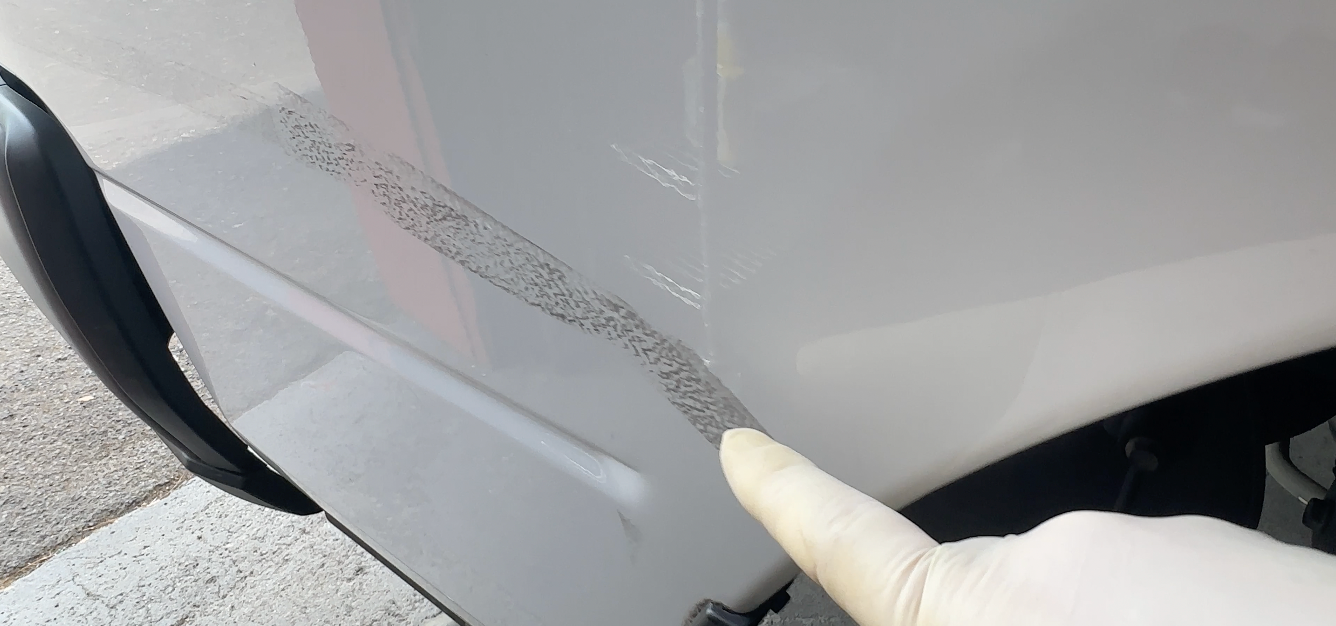
- Stage 2 (Etched Paint): The minerals have chemically eaten into the top layer of clear coat, leaving microscopic craters or rings etched into your paint surface.
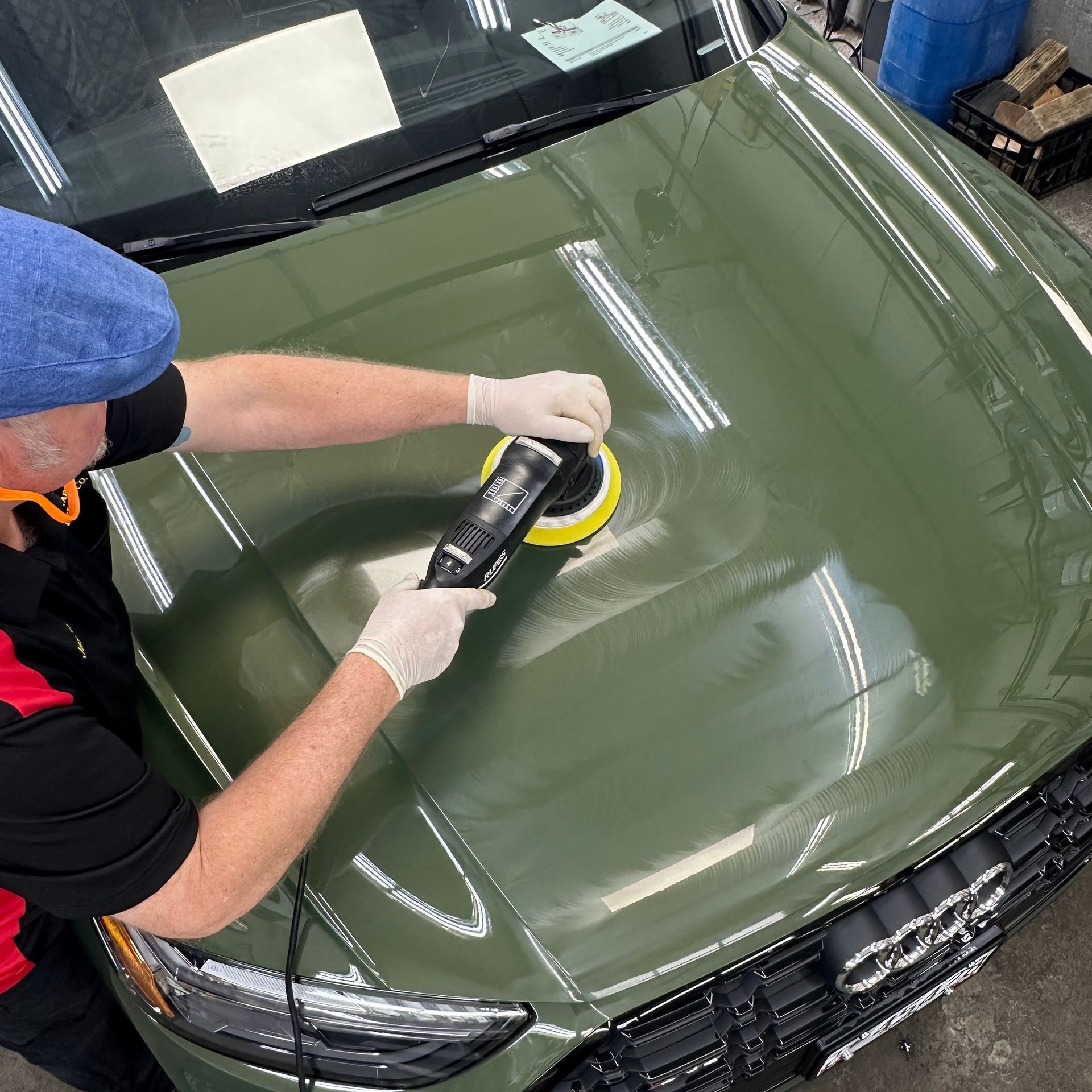
- Stage 3 (Deep Surface Corrosion): Prolonged neglect allows minerals to burrow deep into your clear coat structure, requiring heavy machine compound polishing (multi-stage paint correction) or in severe cases, they leave permanent, irreversible damage.
The Nightmare Scenario: Water Spots on Matte Paint
While clear-coated glossy paint can often be saved through machine paint correction, water spots on matte finishes present a much more severe problem.
Matte paint and satin wraps achieve their flat, non-reflective appearance through a textured microscopic surface structure. Matte paint cannot be polished or buffed. This is because polishing removes texture, which instantly creates permanent shiny spots on a matte panel, ruining the finish entirely.
If hard water spots etch into a matte car, your correction options are extremely limited. Prevention is the only true strategy for matte finishes, which is why protecting them with a specialized matte paint ceramic coating is essential to block those minerals from bonding with the delicate, unpolishable surface.
Debunking the Myth: Why Ceramic Coatings CANNOT Cause Water Spots
Now that we understand mineral chemistry, let’s tackle the central question: Why do people claim ceramic coatings cause water spots?
The Physical Impossibility
A ceramic coating is an inorganic layer of Silicon Dioxide (SiO2) and/or Silicon Carbide (SiC) that chemically bonds to your factory clear coat. It is an inert, microscopic layer of glass-like protection.
Ceramic coatings do not contain minerals. They do not release calcium or magnesium, nor can they magically produce dissolved solids out of thin air. For a water spot to form, dissolved minerals must be present in the water source sitting on top of the vehicle.
The Origin of the Rumor: Marketing Taglines and Shock Value
If ceramic coatings are clearly beneficial, how did this myth spread so aggressively throughout the automotive world?
The detailing industry is intensely competitive, and social media algorithms thrive on shock-value headlines. A video titled "Why You Shouldn't Get a Ceramic Coating" or "The Secret Flaw of Ceramic Coatings" gets significantly more clicks and views than an accurate, helpful educational video.
Influencers and content creators quickly realized that playing into car owners' fears generated massive engagement.
At the same time, chemical manufacturers were looking for ways to sell the "next big thing." Once ceramic coatings became mainstream, companies needed new taglines to market newer, higher-priced products. They began pointing to water spotting as the ultimate weakness of traditional ceramic coatings, using it as a sales pitch for alternative marketing buzzwords like Graphene Coatings, Borophene Coatings, Teflon / PTFE Additives, Titanium Infused Sprays, etc.
These ridiculous claims are heavily exaggerated for marketing hype. Regardless of whether a coating contains silica, graphene, or titanium, if mineral-heavy tap water evaporates on a hot panel, it will leave minerals behind. No coating on earth creates anti-gravity water that vanishes without leaving its dissolved contents behind!
The Real Truth: Coatings Act as a Sacrificial Barrier
Here is what the rumor mills fail to mention... when water spots appear on your paint, the ceramic coating did its job as a protective shield.
Instead of the minerals eating directly into your soft, vulnerable factory clear coat, they are sitting on top of a ultra-hard, chemical-resistant ceramic barrier.
Furthermore, because ceramic coatings create a slick, low-surface-energy matrix, minerals have a much harder time strongly adhering to the surface. Removing water spots from a ceramic-coated car using a mild acidic water spot remover or quick maintenance wash is drastically easier, safer, and cheaper than trying to polish etched clear coat on an unprotected vehicle.
Local Water Science: What Beaverton and Portland Drivers Need to Know
For drivers here in NW Oregon, understanding your local water source is crucial to protecting your vehicle's paint finish.
Many residents assume that because the Pacific Northwest is famous for rain, clean rivers, and lush greenery, that our tap water is completely pure. While the Portland metro area generally enjoys clean, high-quality drinking water, auto detailing tells a different story.
Tualatin Valley Water District (TVWD) & The West Portland Area
If you live or work in Beaverton, West Portland, or around the 97229 zip code, your tap water is managed by entities like the Tualatin Valley Water District (TVWD), drawing from the Portland Water Bureau (Bull Run watershed) and the Joint Water Commission (JWC).
During most of the year, this water is relatively soft. However, during warm summer months, water demand surges. To meet local demand, water authorities frequently supplement our water supply with groundwater pumped from wells (such as the Columbia South Shore Well Field) or Aquifer Storage and Recovery (ASR) wells.
Groundwater blending during summer significantly increases the mineral content and overall hardness of municipal tap water right when people are washing their cars the most.
Private Well Water in Washington County
If you reside in semi-rural properties surrounding Beaverton, Hillsboro, or West Portland and get your wash water from a private well, your risk of severe water spotting skyrockets. Unfiltered well water in Washington county is often loaded with heavy deposits of iron, calcium, and dissolved minerals. Washing a car with untreated well water in direct sunlight is a recipe for instant, severe paint spotting.
Even though our local municipal water in Portland and Beaverton is softer than regions like the desert Southwest, it contains more than enough mineral content to cause heavy clear coat etching if water is allowed to dry naturally on vehicle bodywork.
What About Whole-House Water Softener Systems?
A common misconception among home detailers is that washing a car with softened tap water will prevent water spots. Standard residential water softeners do not actually remove minerals or reduce total dissolved solids (TDS) from your water, they simply swap them. Through a process called "ion exchange", softeners replace hard minerals like calcium and magnesium with sodium or potassium salts. When this softened water evaporates on your vehicle’s hot paint, those dissolved sodium salts are still left behind, forming distinct, chalky white mineral rings.
To achieve a true spot-free rinse, you must physically remove dissolved solids from the water rather than just exchanging them. This requires dedicated Deionization (DI) resin tanks or Reverse Osmosis (RO) filtration systems, which strip TDS levels down to zero. While softened water is great for protecting home plumbing and generating rich soap suds, it will still leave stubborn mineral deposits on your clear coat or ceramic coating if allowed to air-dry.
How to Prevent and Manage Water Spots Like a Pro
Now that we've dispelled the myth, how should you care for your vehicle to keep it completely spot-free?
- Never Wash in Direct Sunlight: Wash your vehicle in the shade, early in the morning, or late in the evening when body panels are cool to the touch.
- Never Let Tap Water Air-Dry: Always dry your vehicle immediately after washing. Use a high-quality, plush microfiber drying towel, or a touchless forced-air blow dryer. Better yet, use this rinseless car washing method and remove all possibility of leaving water spots.
- Beware of Lawn Sprinklers: Avoid parking where your lawn sprinklers or commercial irrigation systems can spray onto your vehicle.
- Maintain Your Ceramic Coating: Regularly wash your vehicle using Opti-coat No Rinse. If you notice light water spots after a summer wash, seek a pro detailer’s help immediately.
Protect Your Investment with Fresh Start Detail & Ceramic Coating Co.
Water spots are an environmental reality, but they don't have to ruin your car's paint. Our professionally applied ceramic coatings remain the ultimate barrier to shield your vehicle’s factory paint against permanent etchings, harsh UV rays, and environmental contaminants.
At Fresh Start Detail & Ceramic Coating Co., we specialize in multi-stage paint correction and pro-grade ceramic coating installations tailored specifically to withstand our Pacific Northwest environment. Whether you have a daily commuter in Beaverton, a luxury SUV in West Portland, or a specialty matte-finished vehicle, our expert team has the experience and science-backed precision to keep your ride looking showroom-fresh for years to come.
Ready to protect your vehicle with true ceramic technology? Contact Fresh Start Detail today to request a free quote or schedule your paint protection consultation!