Science Behind Hard Water Spots on Your Car’s Paint

Jason Barker • November 25, 2025

Hard water spots will etch your clear coat, here's how to prevent it...
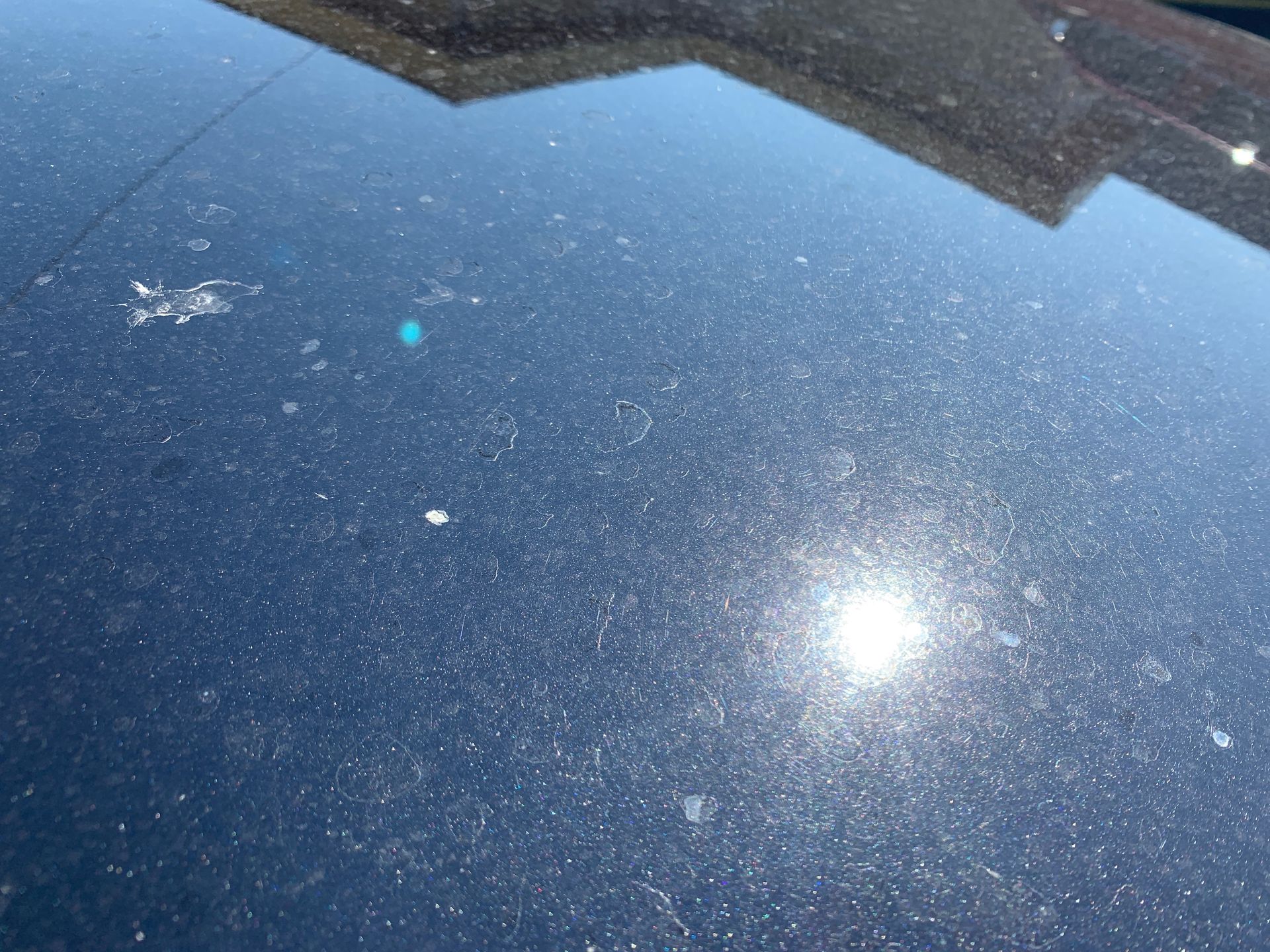
hard water spots on a car in Barnes Heights

Hard water spots are one of the most common — and most misunderstood — issues we see at Fresh Start Detail Co.  here in Beaverton.
Many people believe they’re harmless or that a ceramic coating makes a car “water-spot-proof.” Unfortunately, neither is true.

In reality, hard water spots can etch your clear coat, accelerate paint wear, and even cause permanent mineral damage if not handled correctly.
And while ceramic coatings don’t prevent spotting, they do change how the minerals interact with the paint, making removal dramatically easier and greatly reducing long-term damage.

Let’s break it down the right way, starting with the chemistry.


What Are Hard Water Spots? (The Actual Chemistry)

Hard water contains dissolved minerals:

  • Calcium carbonate (CaCO₃)
  • Magnesium carbonate (MgCO₃)
  • Silica (SiO₂)

When water evaporates from your vehicle’s surface, these minerals do not evaporate with it. Instead, they crystallize into tiny deposits.

Water Spot Type Breakdown

Scientifically, water spots fall into three categories:

1. Type I – Mineral Deposits

This is the “classic” hard water spot: calcium/magnesium left behind after the water itself evaporates.

2. Type II – Chemical Etching

If the minerals or contaminants in the water are acidic or alkaline (common with sprinkler systems, reclaimed irrigation water, or industrial runoff), they etch into clear coat.

This becomes permanent damage.

3. Type III – Etched-in Rings

A Type I deposit that bakes in the sun until it chemically burns into the clear coat.

This is why water spots are drastically worse after a warm day, even if the water itself wasn’t acidic.


Why Hard Water Causes Paint Damage

The damage happens through two main mechanisms:

1. Crystal Growth + Pressure

As minerals dry, they form rigid crystalline structures. These crystals apply tiny amounts of pressure onto the clear coat surface.

Over time, this mechanical pressure creates:

  • Microscopic indentations
  • “Ghost rings”
  • Loss of gloss
  • Clear coat thinning

2. Alkaline or Acid Etching

Many municipal and private sprinkler systems in the Portland area use water with:

  • High alkalinity
  • Silica content
  • Trace industrial contaminants

When these dry on a sun-baked panel, the solution becomes more concentrated, eventually burning into the clear coat.

This type of damage cannot be washed off — only polished or, in severe cases, repainted.


Common Sources of Hard Water Spots in Oregon

Here in the Beaverton/Portland area, we see the majority of spotting from:

• Residential & commercial sprinkler overspray

The #1 offender — reclaimed water is notoriously mineral-heavy.

• Tap water drying on paint

If you wash your car and let it air-dry, the minerals remain behind.

• Freshly washed cars at a dealership lot, rinsed with hard water

If the dealership uses poorly-filtered water, and lets it dry on the surface, the risk is imminent for classic hard water spots.


How to Prevent Hard Water Spots

Hard water spots are preventable with a few simple habits:

1. Dry your car after every wash

Never let tap water air-dry — this is the biggest culprit.

2. Avoid sprinklers at all costs

Even 5 minutes of overspray can cause permanent etching.

3. Use filtered or DI water for home washing

This makes a huge difference.

4. Keep your car protected with a high-quality ceramic coating

Not because coatings eliminate spotting — they don’t — but because they stop the minerals from bonding to your actual paint.


Ceramic Coatings Don’t Prevent Water Spots — But They Do This Instead

There’s a widespread belief that a ceramic coating makes a car “water-spot-proof.”

Let’s clear that up:

Ceramic coatings do NOT stop water from depositing minerals.

You will still see water spots.

Ceramic coatings DO prevent those minerals from attacking your clear coat.

This is the key difference.

Why? The chemistry of coatings vs. clear coat

Automotive clear coat is porous at a microscopic level. Minerals love to “bite” into these pores and anchor themselves.

A true ceramic coating (SiO₂ or SiC based) forms a denser, tighter, hydrophobic lattice over the clear coat:

  • Reduces the ability of minerals to anchor
  • Stops alkaline or acidic water from chemically reacting with the clear coat
  • Allows spots to be safely removed before they become permanent

SiC (Silicon Carbide) vs. SiO2 (Silicon Dioxide) Coatings (Why It Matters)

SiO₂ coatings (most brands):

  • Hydrophobic
  • Glossy
  • Easier to spot-correct
  • But they can still get etched if minerals sit for too long

SiC coatings (like our Opti-Coat Pro):

  • Not “slick” like SiO₂
  • Chemically much more resistant
  • Harder for minerals to burn through
  • Provides better long-term barrier protection

Hybrid Ceramic Coatings (like our Opti-Coat Pro Plus, and Opti-coat Pro3):

  • Combines the best properties of both styles of coatings
  • Allows for 7+ years of worry-free protection
  • Provides a much thicker sacrificial barrier to contaminants


While neither eliminates water spots completely, SiC coatings are dramatically more resistant to etching.


How We Remove Water Spots Safely at Fresh Start Detail & Ceramic Coating Co.

Depending on severity, we use:

Level 1 — Chemical Removal

Professional descalers to dissolve mineral deposits.

Level 2 — Mechanical Removal

Clay bar or fine polishing to remove stubborn crystallized spots.

Level 3 — Paint Correction

For etched-in mineral rings, a precision cut/refinement is required.

Level 4 — Coating or protection reapplication

If the damage penetrated the coating layer.

Level 5 — Repainting (Worst-case) by a paint/body shop

Deep etching through clear coat cannot be polished out.

This is why prevention and protection matter.


Is a Ceramic Coating Worth It for Preventing Water Spot Damage?

Absolutely — because the stakes are high.

Without a coating:

  • Minerals embed directly into clear coat
  • Etching occurs faster
  • Permanent rings are far more common
  • Spot removal requires more aggressive polishing

With a professional coating:

  • Spots sit on top of the coating instead of your paint
  • They wipe off easier
  • Etching is drastically reduced
  • Your clear coat is protected for years

It’s not about “never getting water spots.”
It’s about
avoiding permanent damage and protecting your investment.


Final Takeaway

Hard water spots may look like minor cosmetic issues, but chemically and physically, they’re one of the most damaging forces your clear coat will ever face.

A ceramic coating won’t stop the spots from forming — but it protects your actual paint from the worst-case scenario: etching and permanent mineral burns.

If you’re dealing with current water spots or want to prevent future damage, Fresh Start Detail & Ceramic Coating Co. offers:

  • Professional water spot removal
  • Paint correction for etched-in spots
  • Premium SiO₂ and SiC ceramic coating systems
  • Maintenance plans to keep your coating healthy
By Jason Barker July 10, 2026
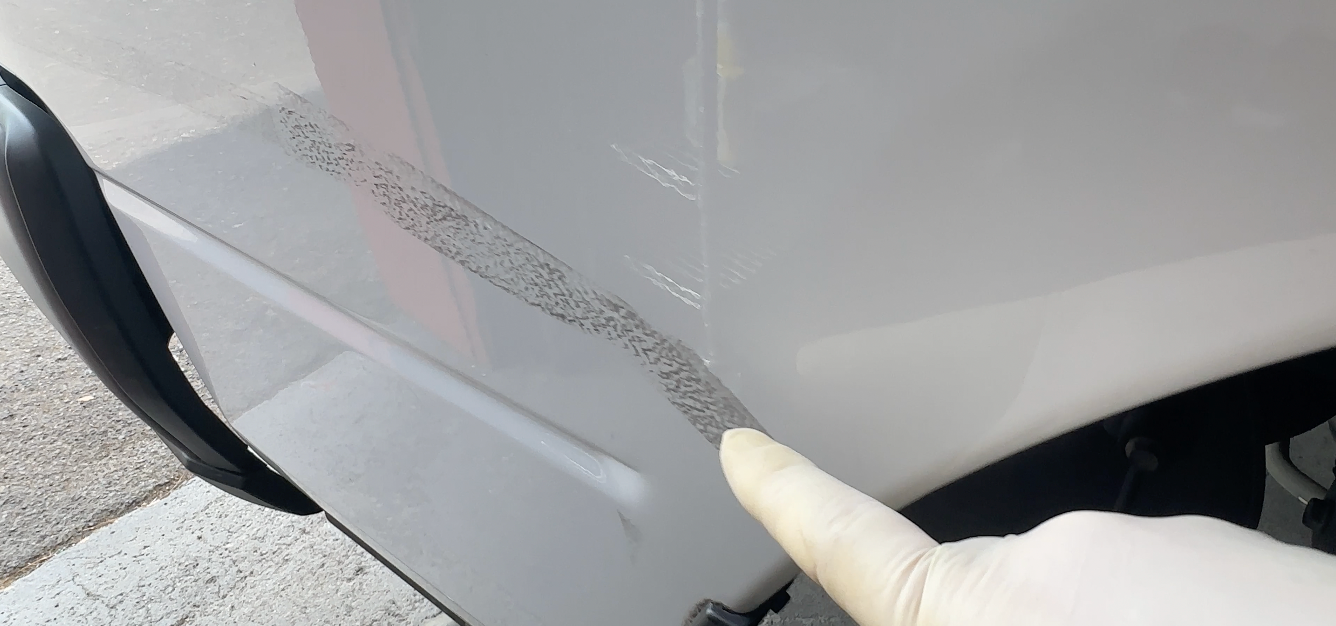
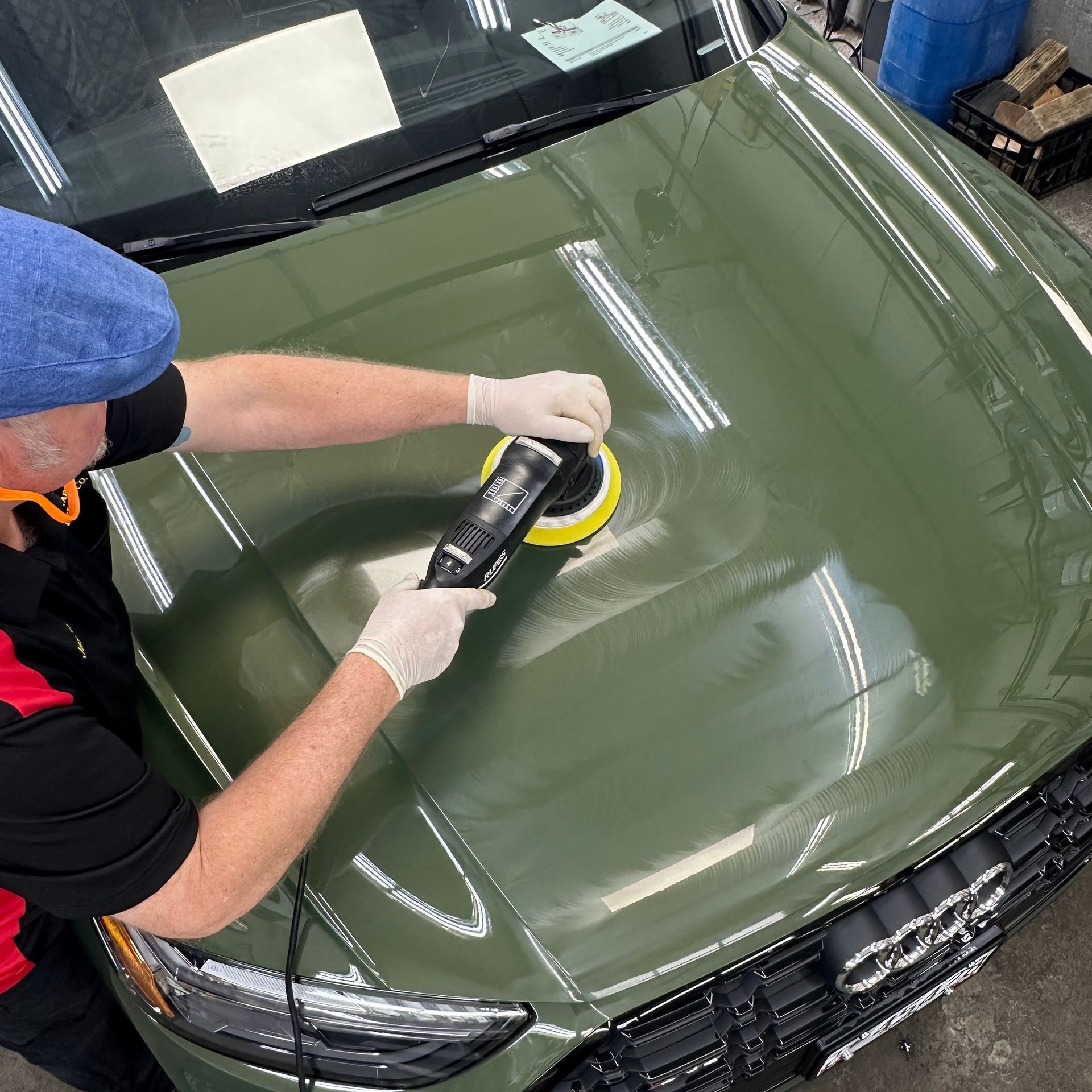
Removing a Massive Paint Scuff From a Dodge Truck in Beaverton A long black scuff running down the side of a white truck can look catastrophic at first glance. The immediate fear is usually the same: Did this scrape all the way through the paint? Is the entire side of the truck going to need bodywork? Fortunately, damage that looks dramatic is not always as severe as it appears. This Dodge truck came to Fresh Start Detail & Ceramic Coating Co. in Beaverton with a heavy black mark extending across the door and down the side of the bed. The truck had rubbed against a plastic bollard, leaving behind a combination of transferred plastic, light clear-coat scratches, a damaged edge of paint-protection film, and one small paint chip. The repair required several different techniques, but the final result was excellent. Once the work was complete, almost no visible evidence of the incident remained. The First Step: Determine What Is Actually Damaged Before polishing or reaching for an aggressive compound, the most important step is figuring out what you are looking at. A dark mark on light-colored paint may be: Material transferred onto the clear coat Scratching within the clear coat Damage through the color coat A combination of all three In this case, much of the black mark was not missing paint. It was plastic from the bollard that had transferred onto the surface of the truck. That distinction matters because transferred material often can be chemically dissolved and removed. Scratches, on the other hand, may require polishing, touch-up paint, or traditional body repair depending on their depth. Treating every scuff as a scratch can lead to unnecessary polishing and additional clear-coat removal. Removing the Plastic Transfer Safely We began with Fresh Start Detail Sap & Tar Remover applied to a clean microfiber towel. The product softened and dissolved the transferred plastic, allowing it to release from the truck’s paint without aggressive scrubbing. Most of the black residue came away surprisingly easily. One area required a second application and additional dwell time. Rather than pressing harder, I applied more product and allowed the chemistry to work. That is an important lesson for anyone trying to remove paint transfer or a stubborn scuff: more pressure is not always the answer. Aggressive rubbing can create new scratches, haze the clear coat, or grind contamination into the finish. A safer approach is to use the correct product, allow reasonable dwell time, and work gradually. Once the black transfer was removed, I could clearly inspect the paint underneath and determine what damage remained. Repairing the Damaged Paint-Protection Film Part of the impact had caught the edge of the paint-protection film installed on a trim area. The film was torn and slightly raised, making the damaged edge more noticeable. Using a fresh blade and an extremely controlled touch, I carefully trimmed away the loose portion of film. The remaining adhesive was then removed with the same sap and tar remover. This dramatically improved the appearance of the damaged area. This particular repair is not something I recommend attempting without professional experience. Cutting near automotive paint requires precision, the correct angle, and a very steady hand. A small slip can cut through the film and into the paint underneath. Polishing the Remaining Scratches After the transferred material was removed, inspection lighting revealed several light scratches running down the side of the truck. These scratches were not especially deep, but they became visible when viewed under focused lighting. White paint can hide defects under normal conditions, which is why proper inspection lights are so useful during paint correction. We polished the affected areas using Optimum Hyper Polish and a RUPES BigFoot machine polisher. The polishing process refined the clear coat and removed the visible scuffing. After a single polishing step, the scratches were no longer noticeable, and the paint regained a clean, uniform appearance. This truck was fortunate. The scratches remained shallow enough to be corrected without sanding or repainting. Deeper scratches that penetrate through the clear coat cannot always be safely polished away. A professional detailer must balance improvement against preserving the long-term thickness and integrity of the factory finish. Touching Up the Paint Chip One small portion of the impact had chipped through the paint. Before applying touch-up paint, I cleaned the area with Optimum Paint Prep. This removed any remaining polish, oils, or residue that could interfere with adhesion. Because the chip was small, I used a precision microbrush instead of the large brush normally attached to a touch-up paint bottle. A microbrush provides much better control and makes it easier to place a small amount of paint directly into the damaged area. Applying touch-up paint in thin, controlled amounts usually produces a cleaner result than filling the chip with one oversized blob. The goal of touch-up paint is typically to reduce visibility and protect the exposed area, not to recreate the perfectly flat finish of a full body-shop repair. In this case, the chip became very difficult to spot unless someone already knew exactly where to look. The Final Result After the chemical removal, film trimming, polishing, and touch-up work were complete, I moved the truck outside for a final inspection in natural light. The black transfer was gone. The clear-coat scratches had been polished away. The torn paint-protection film no longer caught the eye, and the paint chip was neatly repaired. What initially looked like damage requiring extensive bodywork was restored through careful diagnosis and several targeted cosmetic-repair techniques. Do You Have a Scuff, Scratch, or Paint-Transfer Mark? Not every scuff requires repainting, but using the wrong removal method can make the damage worse. Fresh Start Detail & Ceramic Coating Co. provides professional paint correction, paint-transfer removal, touch-up paint repair, ceramic coatings, and exterior detailing in Beaverton, Oregon. We also serve clients from Hillsboro, Portland, Tigard, Lake Oswego, and surrounding communities. With more than 30 years of professional detailing experience, we can inspect the damage, explain what can realistically be improved, and recommend the least aggressive repair method appropriate for your vehicle. Contact Fresh Start Detail & Ceramic Coating Co. at 503 641-3285 or just stop by to get a free assessment of your vehicle’s paint damage.
By Jason Barker June 24, 2026
Why Better Transparency Matters in the Car Detailing & Ceramic Coating Industry
By Jason Barker June 8, 2026
Why Ceramic Coating is Mandatory for Matte Satin Paint and Decals There is no denying the dramatic increase in popularity that matte finishes, satin wraps, and bold vinyl graphics have on modern automotive culture. Whether it’s a stealthy aftermarket wrap or an ultra-premium factory finish like Mercedes’ Magno series or BMW’s Frozen paint, a non-glossy surface gives a vehicle a unique and sometimes aggressive look. But buying a matte vehicle usually comes with a massive wave of immediate anxiety for the owner because they're frequently not sure of how to care for this style of paint. Should you use wax, a sealant perhaps, or an off-the-shelf DIY ceramic coating? As a professional detailer who has spent over 31 years in the trenches of preservation-focused detailing, I hear the same questions every single week at my shop in Beaverton: “How do I protect this paint? Can I ceramic coat it? And if I do, is it going to turn my beautiful matte finish into a shiny, glossy, blotchy mess?” If you are asking these questions, you are asking the right things! But there is a lot of misinformation out there. Let’s clear up the confusion once and for all. Not only can you ceramic coat matte paint and decals, but if you want to keep your vehicle looking pristine, a dedicated ceramic coating that is designed specifically for non-glossy finishes is practically mandatory. This blog post is a deep dive into why prevention is your only line of defense, the actual science of how a matte coating bonds to your car, and how we prove it doesn’t add artificial shine.
By Jason Barker June 1, 2026
Why the cheapest price is the worst choice
By Jason Barker May 11, 2026
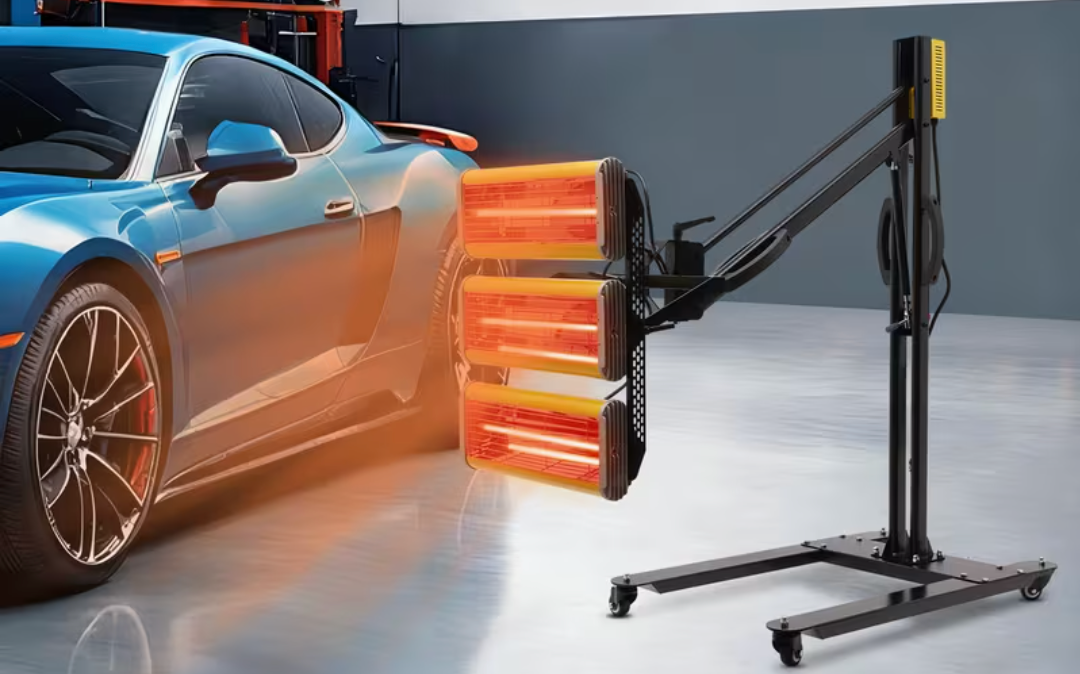
The Great Ceramic Coating Myth: Why Your Detailer Doesn’t Need a UV Curing Lamp (And Why the AI Is Wrong)
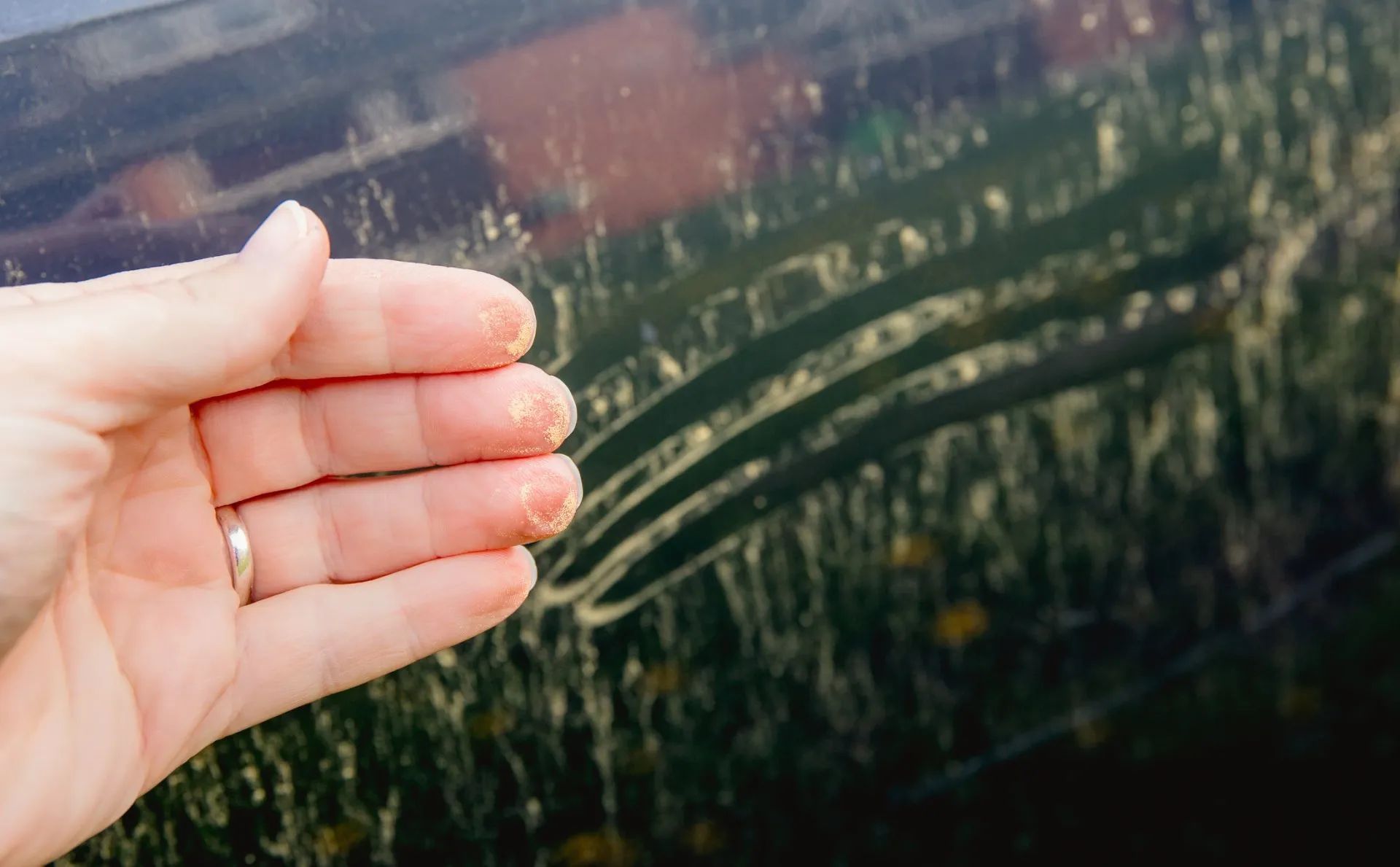
wiping pollen off a black car
By Jason Barker April 20, 2026
Can pollen ruin your car's paint? Learn why the "yellow goo" in the Beaverton Portland Hillsboro area causes permanent paint etching and how ceramic coatings like Opti-Coat Pro Plus offer the ultimate protection for car paint
By Jason Barker March 11, 2026
Show Car Detailing in Beaverton: Museum-Level Care for Classic, Collector, and Award-Winning Vehicles
By Jason Barker February 20, 2026
Is it really worth spending money on detailing right before I sell?
tree sap dripping on car in Cedar Mill Oregon
By Jason Barker January 30, 2026
Don't let baked-on tree sap ruin your car's finish. Learn why sap etches paint and how Fresh Start Detail protects vehicles in Beaverton, Bethany, and NW Heights.
Person in black gloves applying a blue pad to a gray car's side panel.
December 15, 2025
Learn why ceramic coating is a smart way to protect your car from Portland, OR’s rain, road grime, and tree sap with Fresh Start Detail’s expert paint protection.
Show More