Does Pollen Damage Car Paint? Why Beaverton and Portland Drivers Need Ceramic Coating
Is pollen on your car just annoying, or can it damage your paint?
For residents of Beaverton, Cedar Mill, and surrounding areas, the arrival of spring is a double-edged sword.
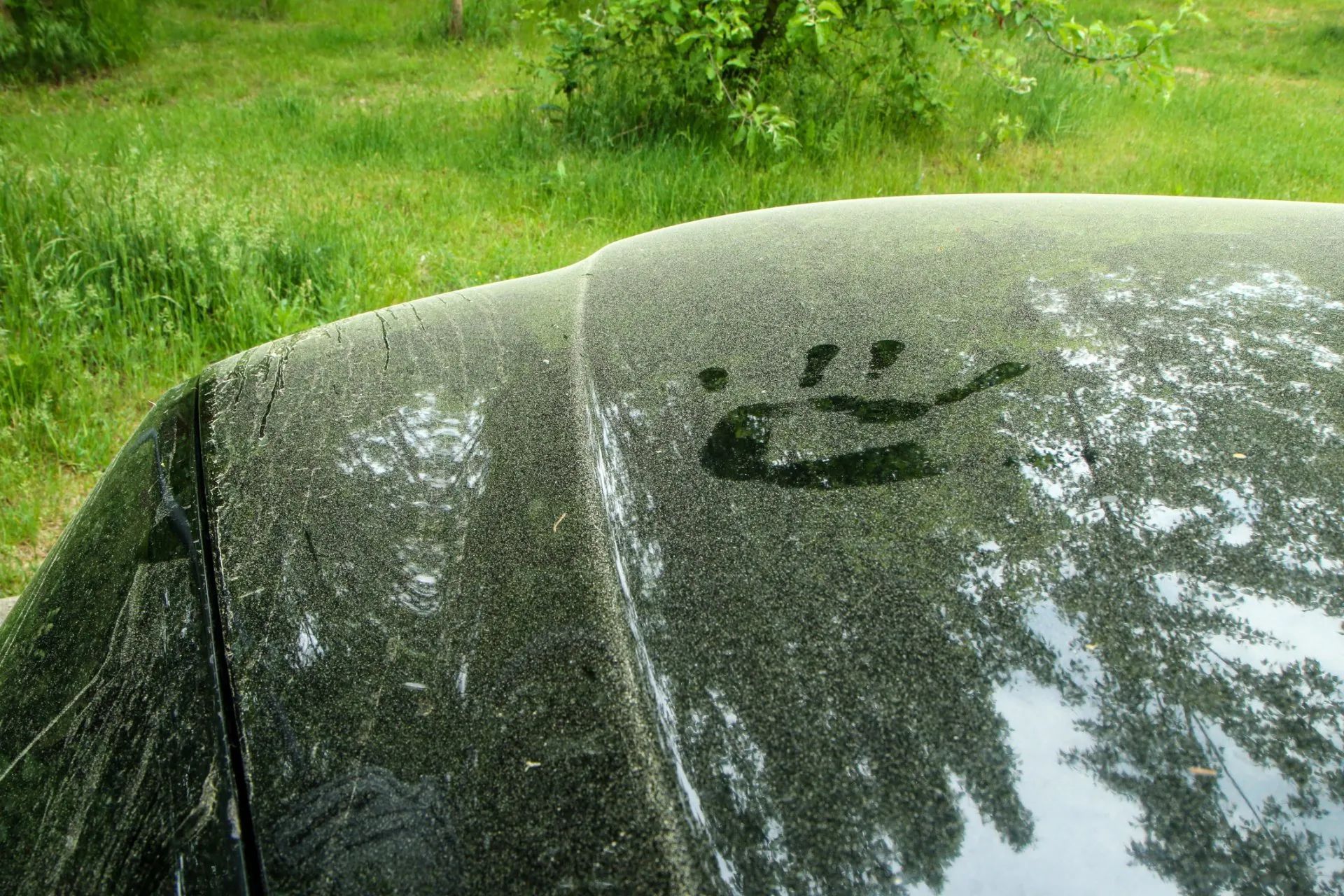
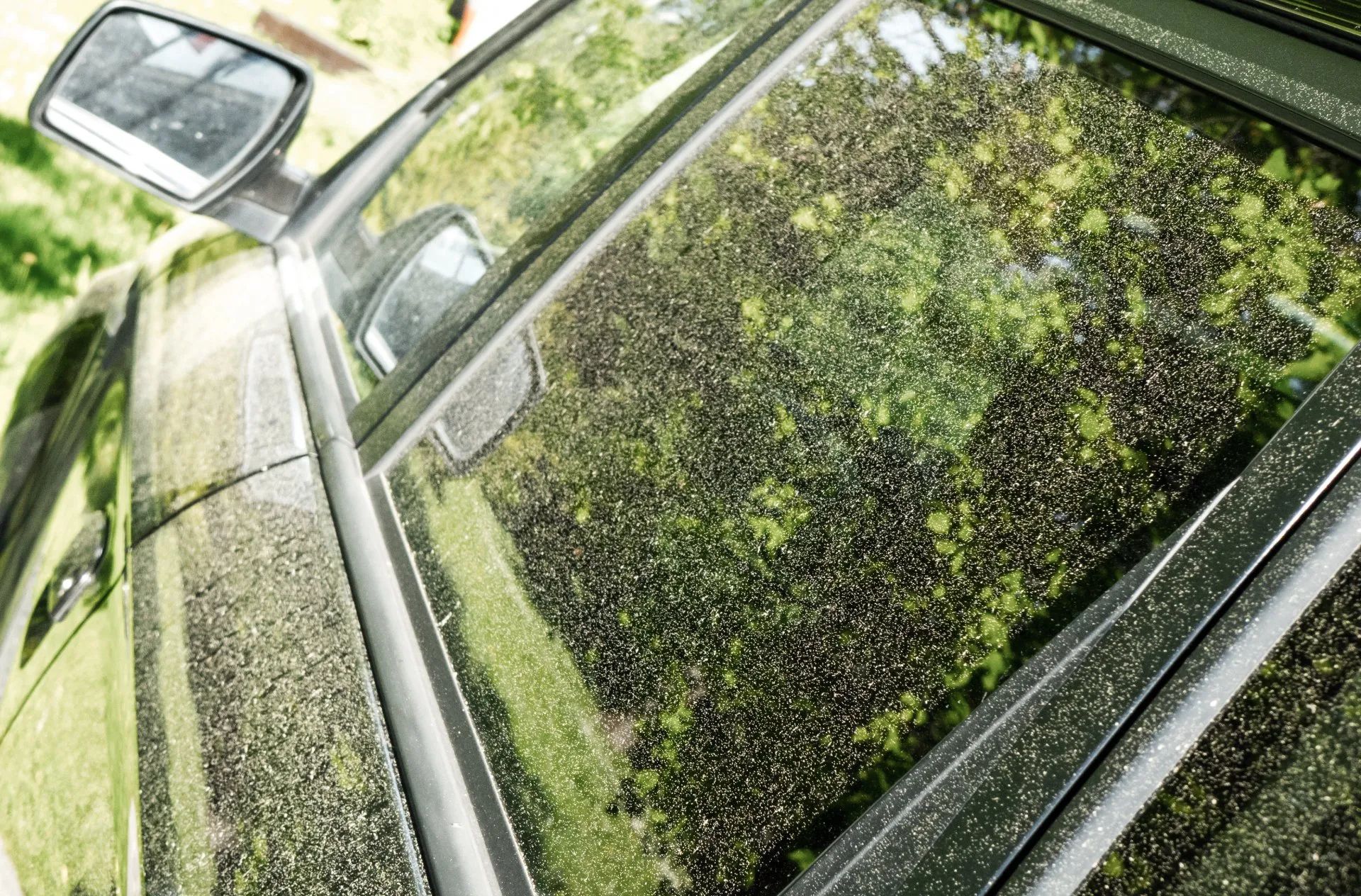
While the blossoming landscapes of west Portland and the Tualatin Valley are stunning, they bring with them a thick, yellow blanket of pollen that covers everything in sight.
To the casual observer, it’s just a visual nuisance.
No one likes that dusty layer that ruins your clean car within minutes of washing.
But for those who value their vehicle’s long-term aesthetics and resale value, that seemingly harmless yellow dust is a ticking clock, warning or potential expensive damage that may soon follow.
The Chemistry of Destruction: When Dust Becomes Acid
Most car owners assume that dry pollen is harmless, fearing only the micro-
scratches caused by improper washing/wiping.
While dry pollen is abrasive, the real danger begins when our Oregon rain hits.
When that fine powder meets morning dew or a light drizzle, it undergoes a weird chemical transformation.
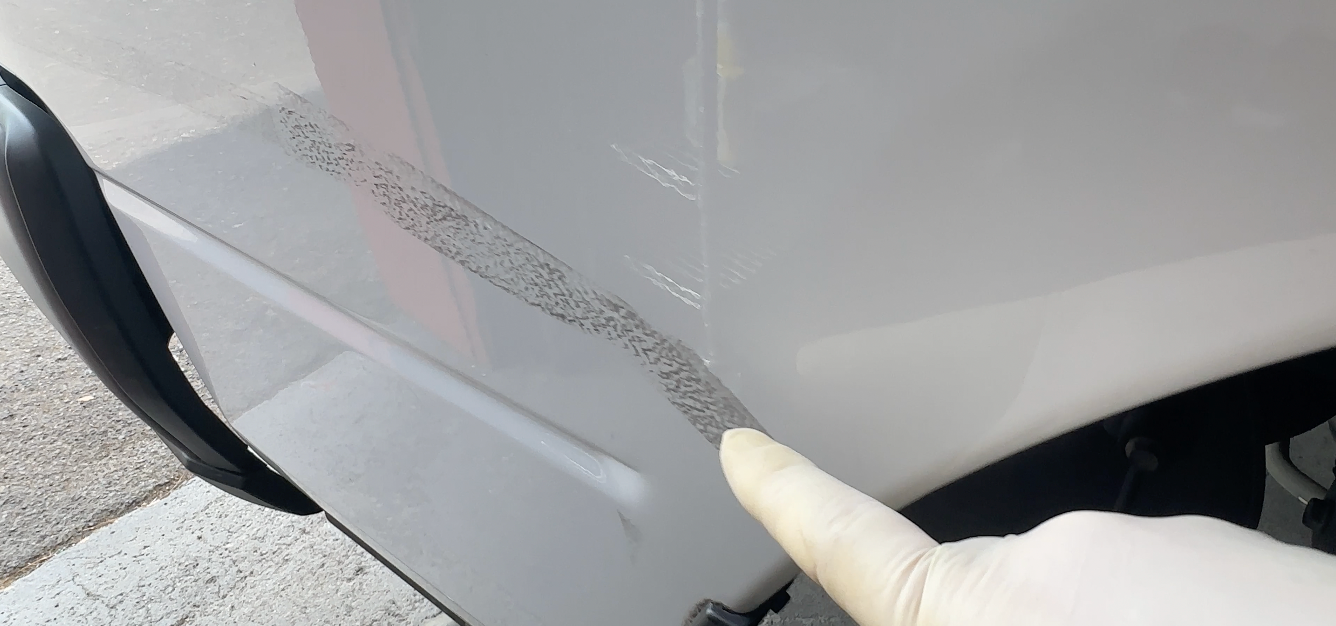
Pollen contains specialized enzymes designed to help it germinate. When activated by water, these enzymes create a highly acidic, yellow-ish "goo" paste. This paste is not just difficult to wash away; it is actively caustic. As the sun comes out and heats the surface of your car, the acidity of the pollen paste increases, allowing it to "etch" directly into the clear coat of your paint.
The Etching Reality: Once pollen etches into the paint, the damage is permanent.
You are no longer looking at a surface contaminant that can be washed off; you are
looking at physical craters in the clear coat that often require professional paint
correction or, in extreme cases, a complete repaint of the damaged panels (usually your hood, roof, and trunk lid).
The Beaverton-Portland-Hillsboro Maintenance Schedule
Whether you are commuting to the Nike World Headquarters, or heading into the Ronler Acres, Jones Farm, Hawthorn, or Aloha Intel campuses in Hillsboro, or anywhere else in our area, your vehicle is likely sitting exposed to heavy concentrations of Douglas Fir, Oak, and Grass pollens.
In the heavily wooded heights of Cooper Mountain, west Portland, Raleigh Hills, West Slope, Cedar Mill, or Barnes Heights, the density of trees makes this threat even more acute.
To mitigate the risk of etching, a strict maintenance schedule is required.
During heavy pollen seasons (typically March through June in the Portland metro area) washing your vehicle at least every two weeks is the bare minimum required to prevent the accumulation of the caustic pollen-paste.
For those without the protection of a professional-grade ceramic coating, weekly washes are highly recommended to ensure no acidic residue sits long enough to bond to your paint.
Protecting the "Forever Car": A Guide for Retirees
For you retired folks, a new vehicle often represents a significant, long-term investment… your "forever car" that you chose for its safety, comfort, and reliability.
Preserving that investment is about more than just vanity; it's about maintaining the asset's value and structural integrity.
If you're retired, you understand the value of doing things right the first time.
By hiring a certified career professional to apply your ceramic coating, you eliminate the physical toll of frequent, heavy scrubbing and the constant worry of environmental damage.
Your new ceramic coating ensures that your vehicle remains in showroom condition throughout your retirement, protecting both your pride of ownership and your finances.
Low-Maintenance Passive Protection: Waxes vs. Ceramic Coatings
Many owners rely on a traditional wax or sealant.
While these are certainly better than leaving the paint "naked," they offer limited defense against the heavy acidity of Oregon pollen.
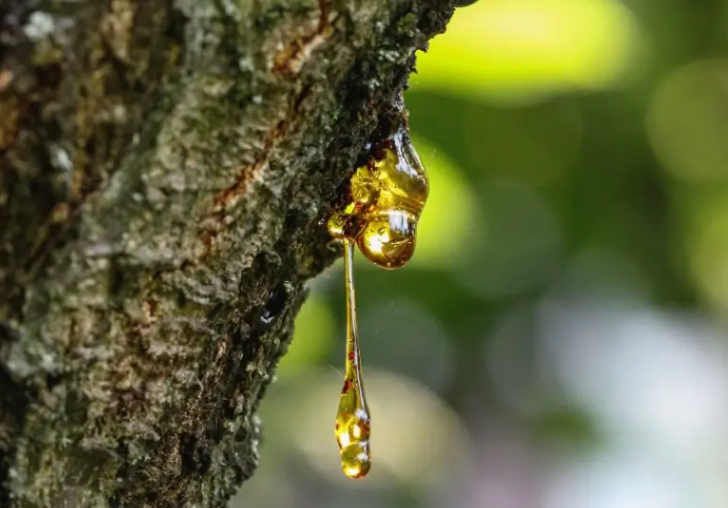
Waxes are organic, so they break down rapidly under heat and the environmental stress of washing and trying to defend against airborne contaminants like bird poop, tree sap, bug splatters, and the ever-present pollen.
In a high-pollen environment, a standard wax job may only offer significant protection for a few weeks, which means it will require re-waxing every 3-4 months to remain even moderately effective.
The Gold Standard of Paint Protection: ceramic coatings (Opti-Coat Pro Plus and Opti-coat Pro3)
For car owners who don’t have the time or ability for monthly DIY detailing, but but still want to protect their investment, ceramic coatings (specifically Opti-Coat Pro Plus and Opti-coat Pro3) represent the ultimate in passive protection.
Unlike wax, which sits on top of the paint, these ceramic coatings are an additional layer of clear coat that chemically bond to your factory paint.
Acid Resistance:
Ceramic coatings are highly resistant to environmental acids, specifically preventing the etching caused by pollen paste and bird droppings.
Hydrophobic Surface:
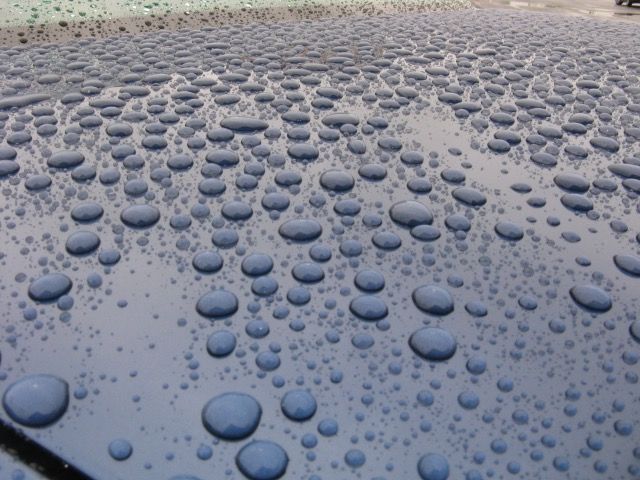
A ceramic coating creates a surface so slick that much of the pollen can be washed off with ease, preventing the "goo" from ever gaining a foothold.
Permanent Shield:
While waxes fade, ceramic coatings provide a hard, durable barrier that often outlasts the vehicle's ownership, protecting the investment of people who don't have time to worry about the weather forecast.
Why Professional Application is Non-Negotiable
It is tempting to look at the cheap DIY "ceramic" kits available on Amazon or at local parts stores and think you may save a few bucks and the results will be the same.
However, there is a massive gulf between a consumer-grade DIY coatings and a professional installation.
Certified career professionals have exclusive access to high-solids coatings like Opti-Coat Pro Plus that are simply not available to the public due to their complexity and permanent nature.
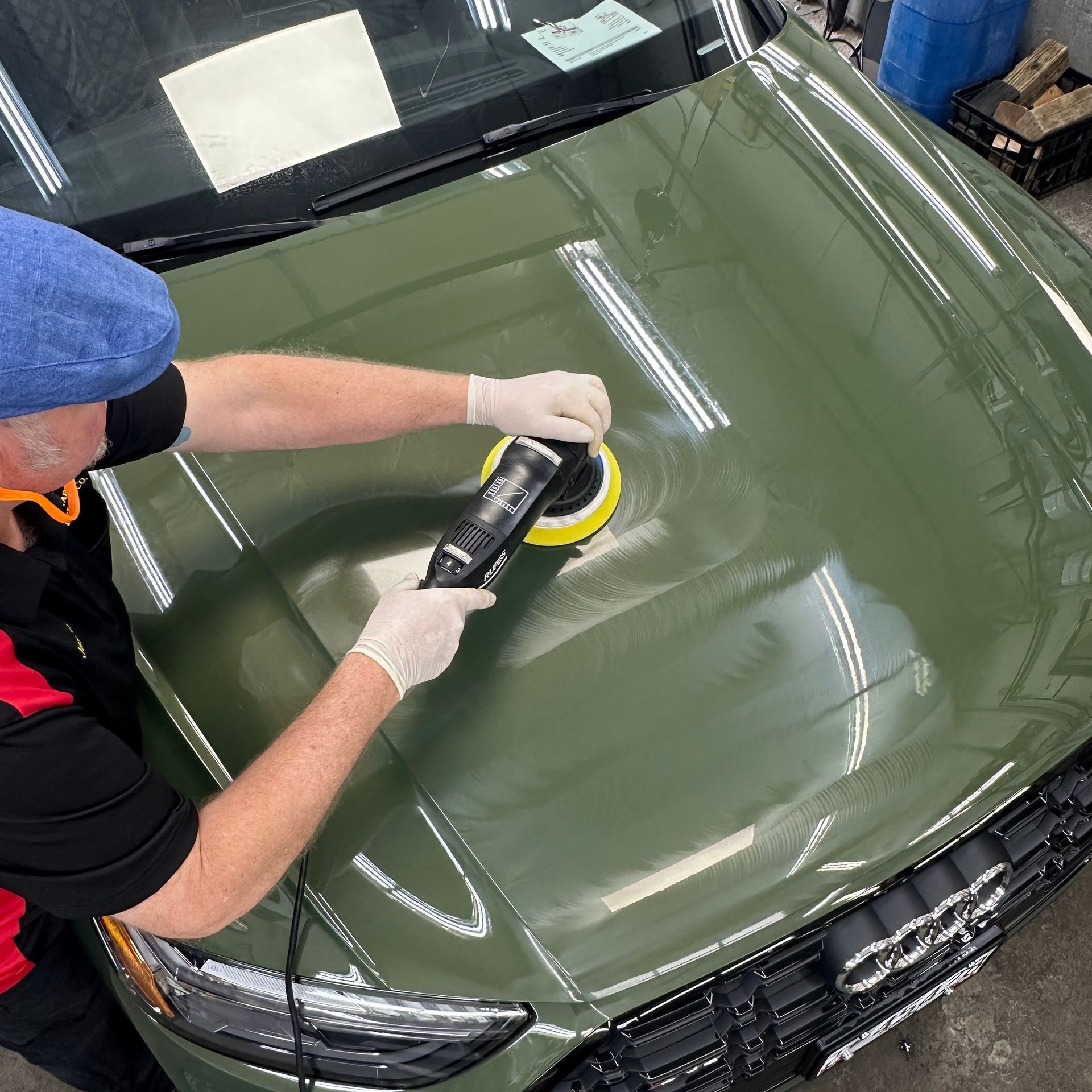
A professional application isn't just about the liquid in the bottle; it's about the hours of intensive paint correction and decontamination required to ensure the surface is flawless before the coating is "locked in."
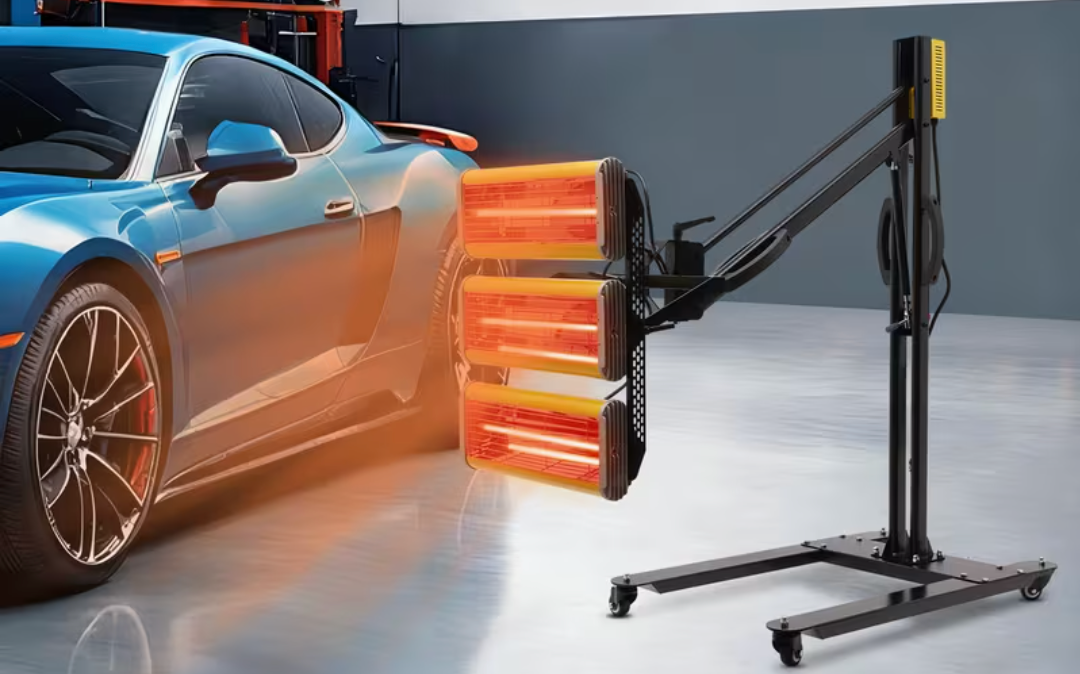
Furthermore, professional coatings require specific curing procedures and climate-controlled environments to harden correctly.
These are variables that are impossible to manage in a home driveway or garage.
When you choose a certified installer in the Beaverton/Portland area, you aren't just buying a product; you are buying the peace of mind that comes with specialized knowledge, proper curing procedure, and a professional who stands behind their work with a multi-year warranty.
One DIY mistake can lead to permanent streaking or "high spots" that require sanding to remove; but a professional application ensures a mirror-like finish that protects your investment for years down the road.
Your vehicle is one of your most significant investments. Don’t let a single season of neglect lead to permanent paint damage.
If you live or work in the Beaverton, Aloha, Hillsboro, or west Portland area, contact us today to discuss how a professional ceramic coating application can shield your car against the Oregon spring, and lower your stress about washing your car.