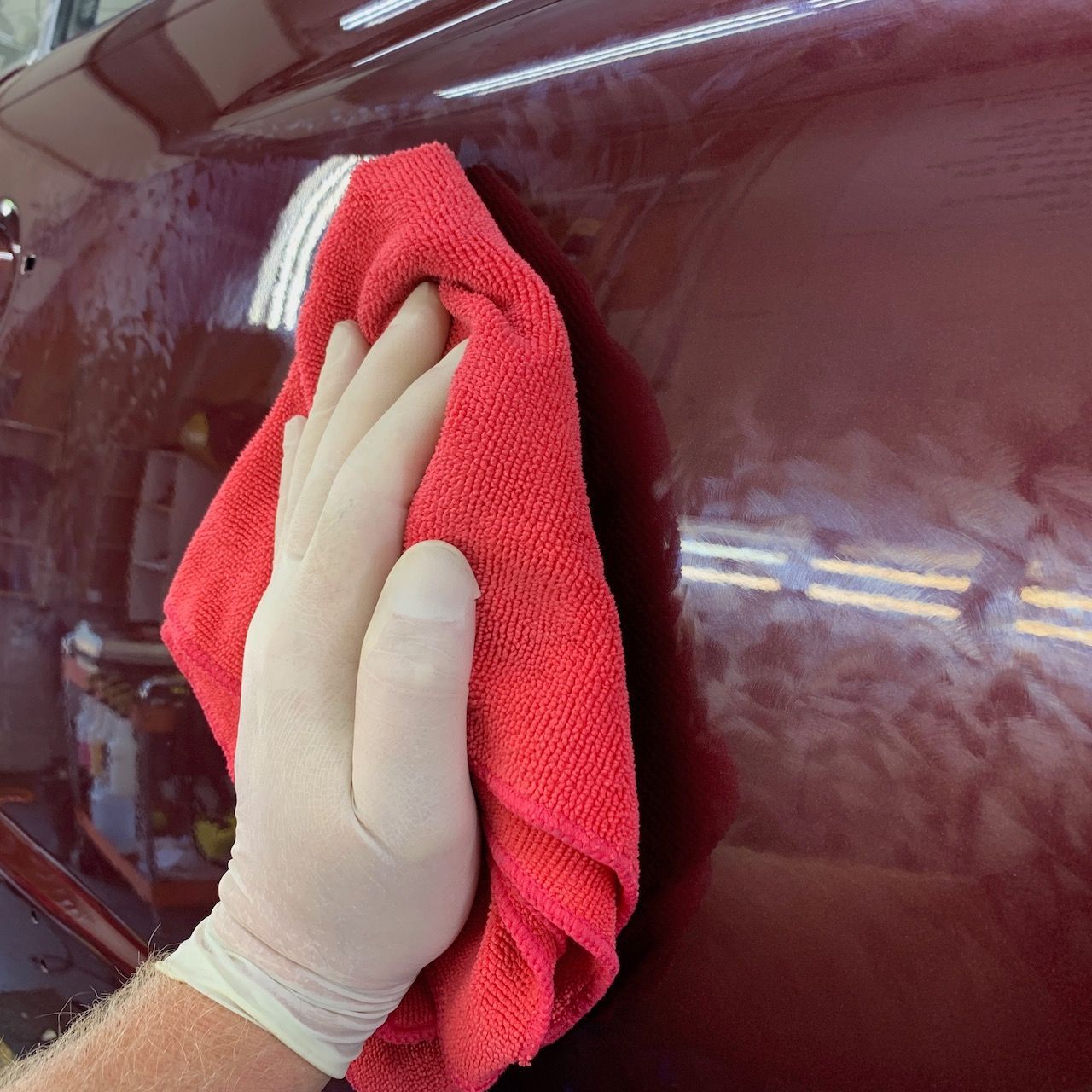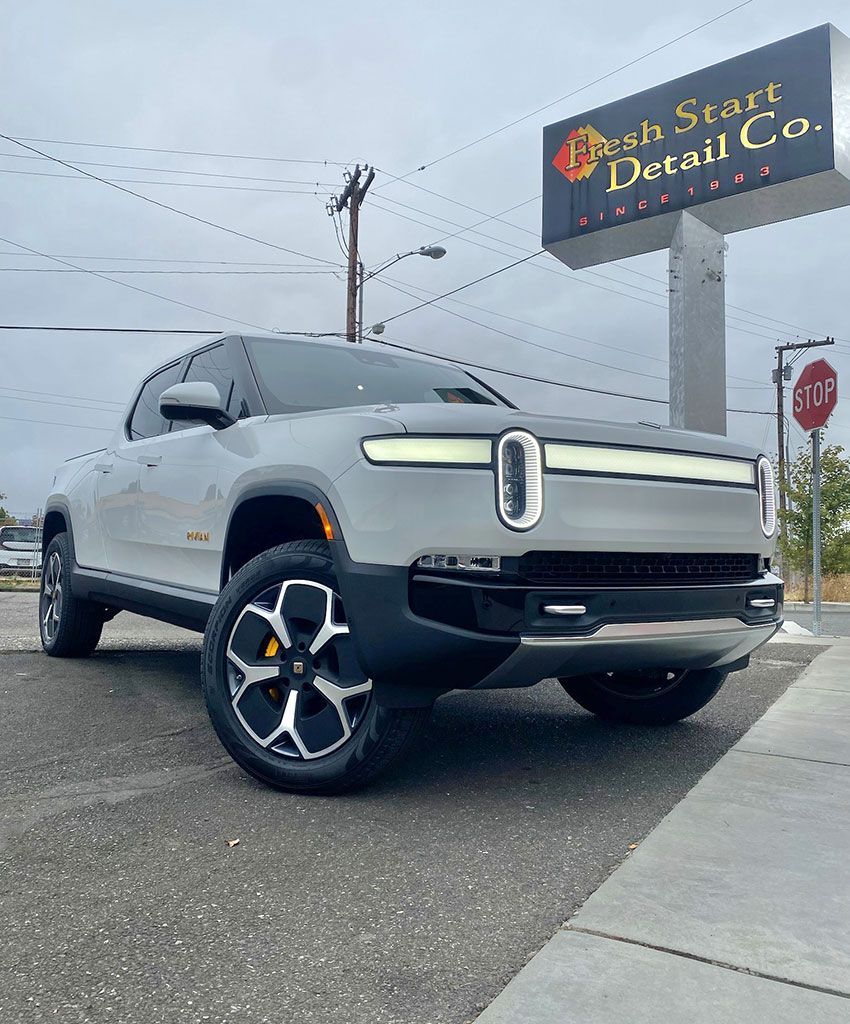
Wash your car in under an hour-[VIDEO demo by a pro detailer]
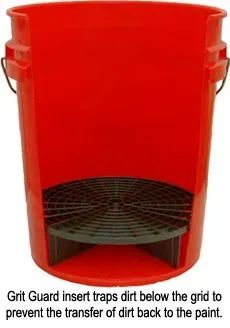
Watch my video and see that hand washing your car at home doesn't have to be such a hassle. Leave your garden hose alone, no need for fancy equipment, and you can even do it in your garage or better yet, even in your apartment complex parking lot!
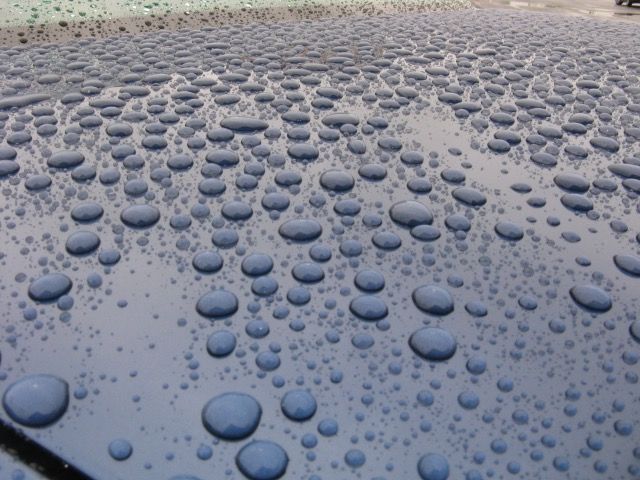
Learn how commercial sprinklers & local irrigation etch car paint in Beaverton and Portland. Discover step-by-step tips to avoid and fix water spots fast.
Do ceramic coatings cause water spots on car paint? We bust this common detailing myth and explain the science behind hard water spots and clear coat etching.
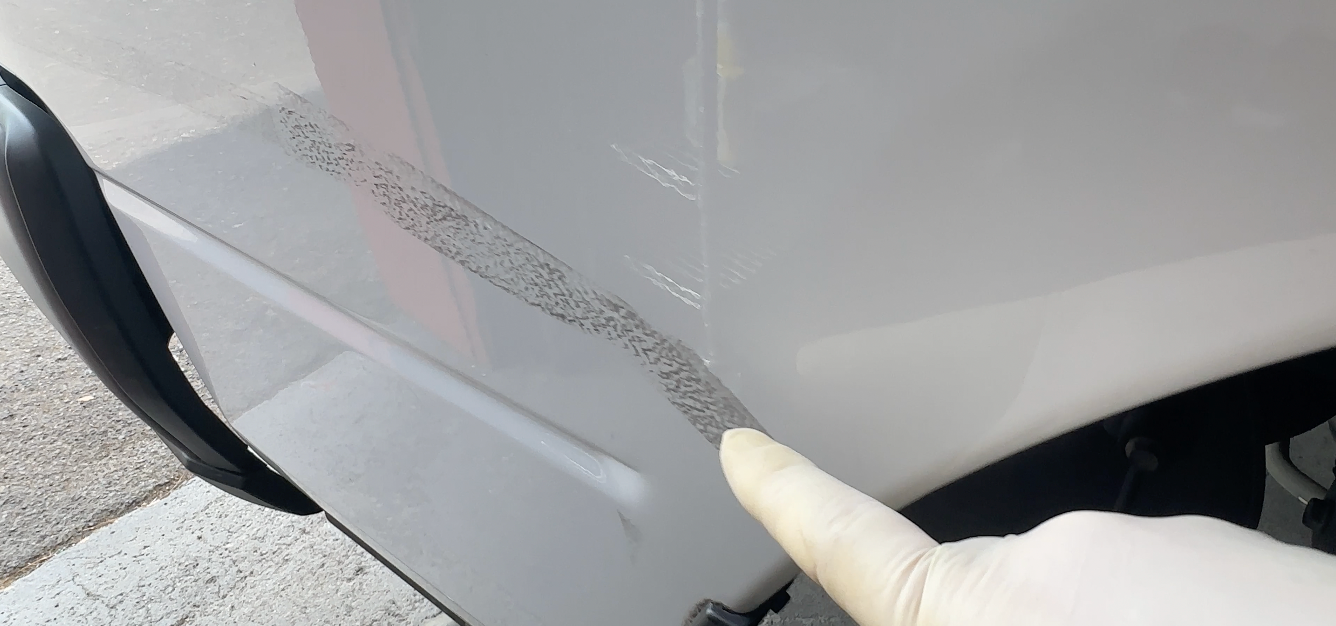
Removing a Massive Paint Scuff From a Dodge Truck in Beaverton A long black scuff running down the side of a white truck can look catastrophic at first glance. The immediate fear is usually the same: Did this scrape all the way through the paint? Is the entire side of the truck going to need bodywork? Fortunately, damage that looks dramatic is not always as severe as it appears. This Dodge truck came to Fresh Start Detail & Ceramic Coating Co. in Beaverton with a heavy black mark extending across the door and down the side of the bed. The truck had rubbed against a plastic bollard, leaving behind a combination of transferred plastic, light clear-coat scratches, a damaged edge of paint-protection film, and one small paint chip. The repair required several different techniques, but the final result was excellent. Once the work was complete, almost no visible evidence of the incident remained. The First Step: Determine What Is Actually Damaged Before polishing or reaching for an aggressive compound, the most important step is figuring out what you are looking at. A dark mark on light-colored paint may be: Material transferred onto the clear coat Scratching within the clear coat Damage through the color coat A combination of all three In this case, much of the black mark was not missing paint. It was plastic from the bollard that had transferred onto the surface of the truck. That distinction matters because transferred material often can be chemically dissolved and removed. Scratches, on the other hand, may require polishing, touch-up paint, or traditional body repair depending on their depth. Treating every scuff as a scratch can lead to unnecessary polishing and additional clear-coat removal. Removing the Plastic Transfer Safely We began with Fresh Start Detail Sap & Tar Remover applied to a clean microfiber towel. The product softened and dissolved the transferred plastic, allowing it to release from the truck’s paint without aggressive scrubbing. Most of the black residue came away surprisingly easily. One area required a second application and additional dwell time. Rather than pressing harder, I applied more product and allowed the chemistry to work. That is an important lesson for anyone trying to remove paint transfer or a stubborn scuff: more pressure is not always the answer. Aggressive rubbing can create new scratches, haze the clear coat, or grind contamination into the finish. A safer approach is to use the correct product, allow reasonable dwell time, and work gradually. Once the black transfer was removed, I could clearly inspect the paint underneath and determine what damage remained. Repairing the Damaged Paint-Protection Film Part of the impact had caught the edge of the paint-protection film installed on a trim area. The film was torn and slightly raised, making the damaged edge more noticeable. Using a fresh blade and an extremely controlled touch, I carefully trimmed away the loose portion of film. The remaining adhesive was then removed with the same sap and tar remover. This dramatically improved the appearance of the damaged area. This particular repair is not something I recommend attempting without professional experience. Cutting near automotive paint requires precision, the correct angle, and a very steady hand. A small slip can cut through the film and into the paint underneath. Polishing the Remaining Scratches After the transferred material was removed, inspection lighting revealed several light scratches running down the side of the truck. These scratches were not especially deep, but they became visible when viewed under focused lighting. White paint can hide defects under normal conditions, which is why proper inspection lights are so useful during paint correction. We polished the affected areas using Optimum Hyper Polish and a RUPES BigFoot machine polisher. The polishing process refined the clear coat and removed the visible scuffing. After a single polishing step, the scratches were no longer noticeable, and the paint regained a clean, uniform appearance. This truck was fortunate. The scratches remained shallow enough to be corrected without sanding or repainting. Deeper scratches that penetrate through the clear coat cannot always be safely polished away. A professional detailer must balance improvement against preserving the long-term thickness and integrity of the factory finish. Touching Up the Paint Chip One small portion of the impact had chipped through the paint. Before applying touch-up paint, I cleaned the area with Optimum Paint Prep. This removed any remaining polish, oils, or residue that could interfere with adhesion. Because the chip was small, I used a precision microbrush instead of the large brush normally attached to a touch-up paint bottle. A microbrush provides much better control and makes it easier to place a small amount of paint directly into the damaged area. Applying touch-up paint in thin, controlled amounts usually produces a cleaner result than filling the chip with one oversized blob. The goal of touch-up paint is typically to reduce visibility and protect the exposed area, not to recreate the perfectly flat finish of a full body-shop repair. In this case, the chip became very difficult to spot unless someone already knew exactly where to look. The Final Result After the chemical removal, film trimming, polishing, and touch-up work were complete, I moved the truck outside for a final inspection in natural light. The black transfer was gone. The clear-coat scratches had been polished away. The torn paint-protection film no longer caught the eye, and the paint chip was neatly repaired. What initially looked like damage requiring extensive bodywork was restored through careful diagnosis and several targeted cosmetic-repair techniques. Do You Have a Scuff, Scratch, or Paint-Transfer Mark? Not every scuff requires repainting, but using the wrong removal method can make the damage worse. Fresh Start Detail & Ceramic Coating Co. provides professional paint correction, paint-transfer removal, touch-up paint repair, ceramic coatings, and exterior detailing in Beaverton, Oregon. We also serve clients from Hillsboro, Portland, Tigard, Lake Oswego, and surrounding communities. With more than 30 years of professional detailing experience, we can inspect the damage, explain what can realistically be improved, and recommend the least aggressive repair method appropriate for your vehicle. Contact Fresh Start Detail & Ceramic Coating Co. at 503 641-3285 or just stop by to get a free assessment of your vehicle’s paint damage.
Why Better Transparency Matters in the Car Detailing & Ceramic Coating Industry

Why Ceramic Coating is Mandatory for Matte Satin Paint and Decals There is no denying the dramatic increase in popularity that matte finishes, satin wraps, and bold vinyl graphics have on modern automotive culture. Whether it’s a stealthy aftermarket wrap or an ultra-premium factory finish like Mercedes’ Magno series or BMW’s Frozen paint, a non-glossy surface gives a vehicle a unique and sometimes aggressive look. But buying a matte vehicle usually comes with a massive wave of immediate anxiety for the owner because they're frequently not sure of how to care for this style of paint. Should you use wax, a sealant perhaps, or an off-the-shelf DIY ceramic coating? As a professional detailer who has spent over 31 years in the trenches of preservation-focused detailing, I hear the same questions every single week at my shop in Beaverton: “How do I protect this paint? Can I ceramic coat it? And if I do, is it going to turn my beautiful matte finish into a shiny, glossy, blotchy mess?” If you are asking these questions, you are asking the right things! But there is a lot of misinformation out there. Let’s clear up the confusion once and for all. Not only can you ceramic coat matte paint and decals, but if you want to keep your vehicle looking pristine, a dedicated ceramic coating that is designed specifically for non-glossy finishes is practically mandatory. This blog post is a deep dive into why prevention is your only line of defense, the actual science of how a matte coating bonds to your car, and how we prove it doesn’t add artificial shine.
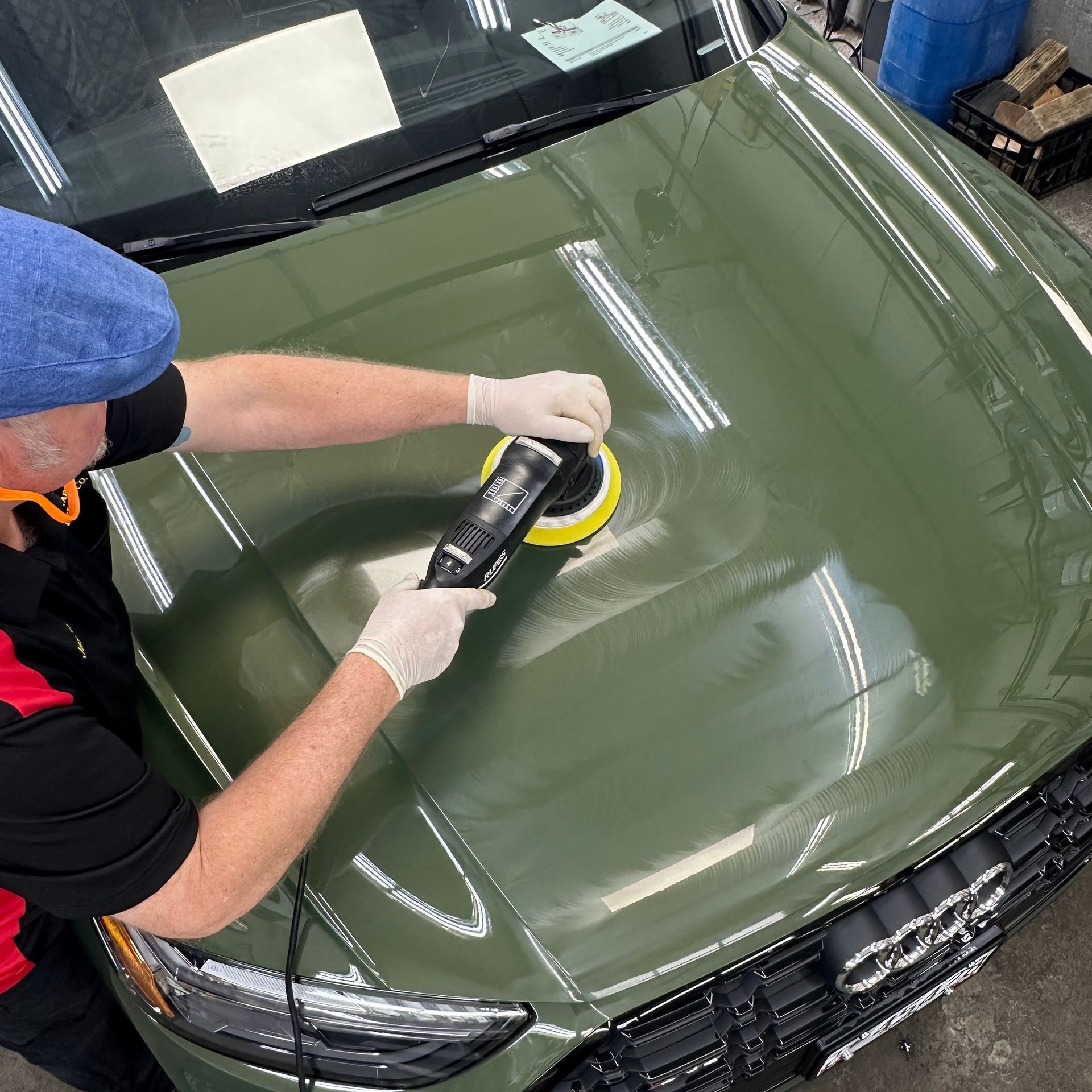
Why the cheapest price is the worst choice
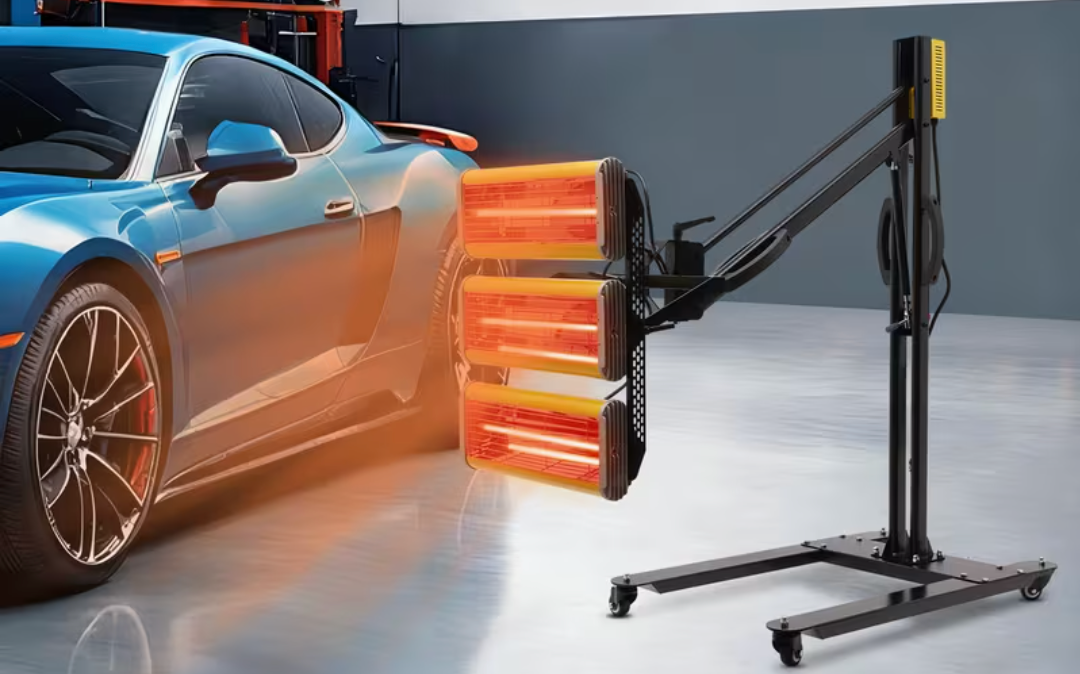
The Great Ceramic Coating Myth: Why Your Detailer Doesn’t Need a UV Curing Lamp (And Why the AI Is Wrong)
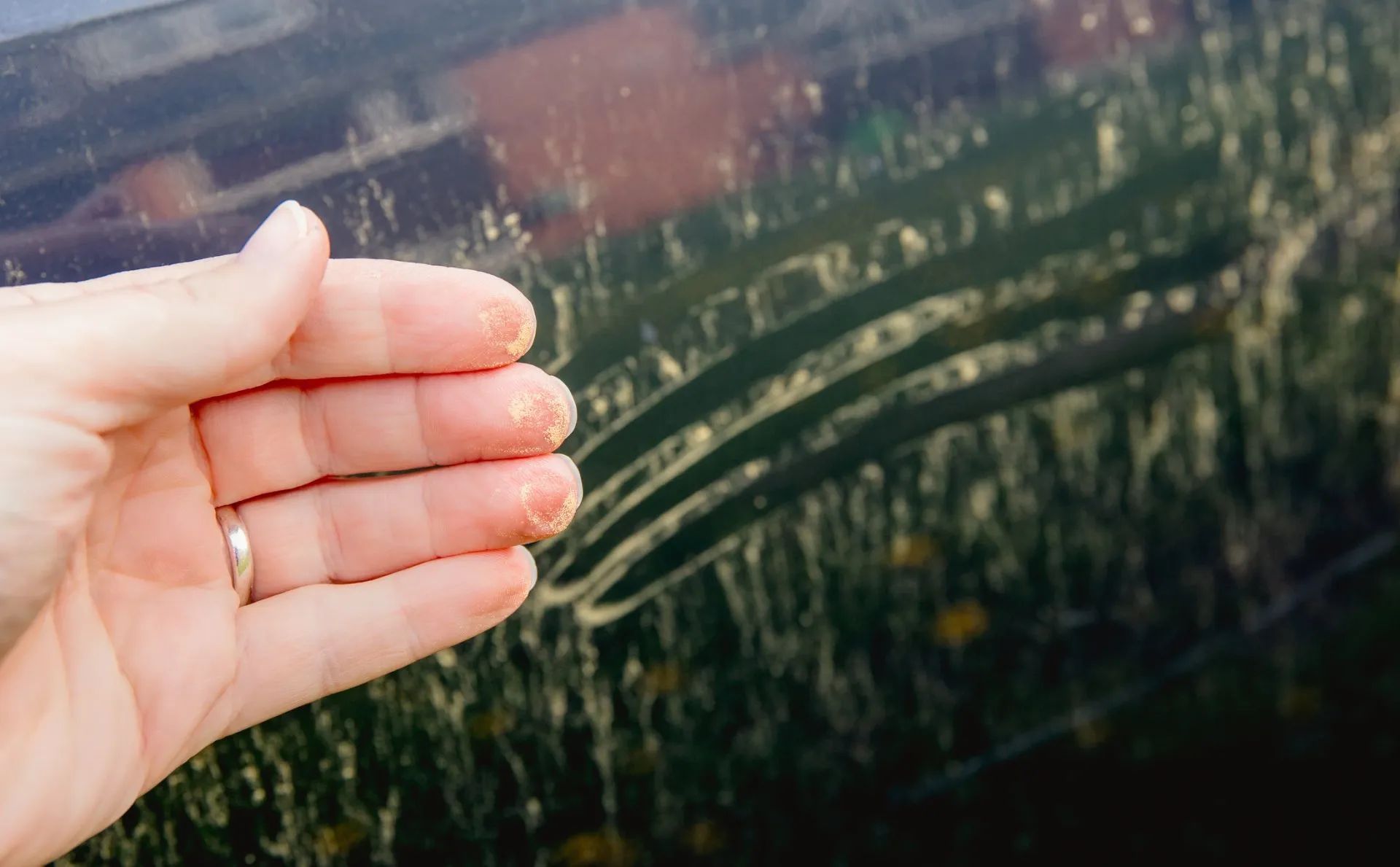
Can pollen ruin your car's paint? Learn why the "yellow goo" in the Beaverton Portland Hillsboro area causes permanent paint etching and how ceramic coatings like Opti-Coat Pro Plus offer the ultimate protection for car paint
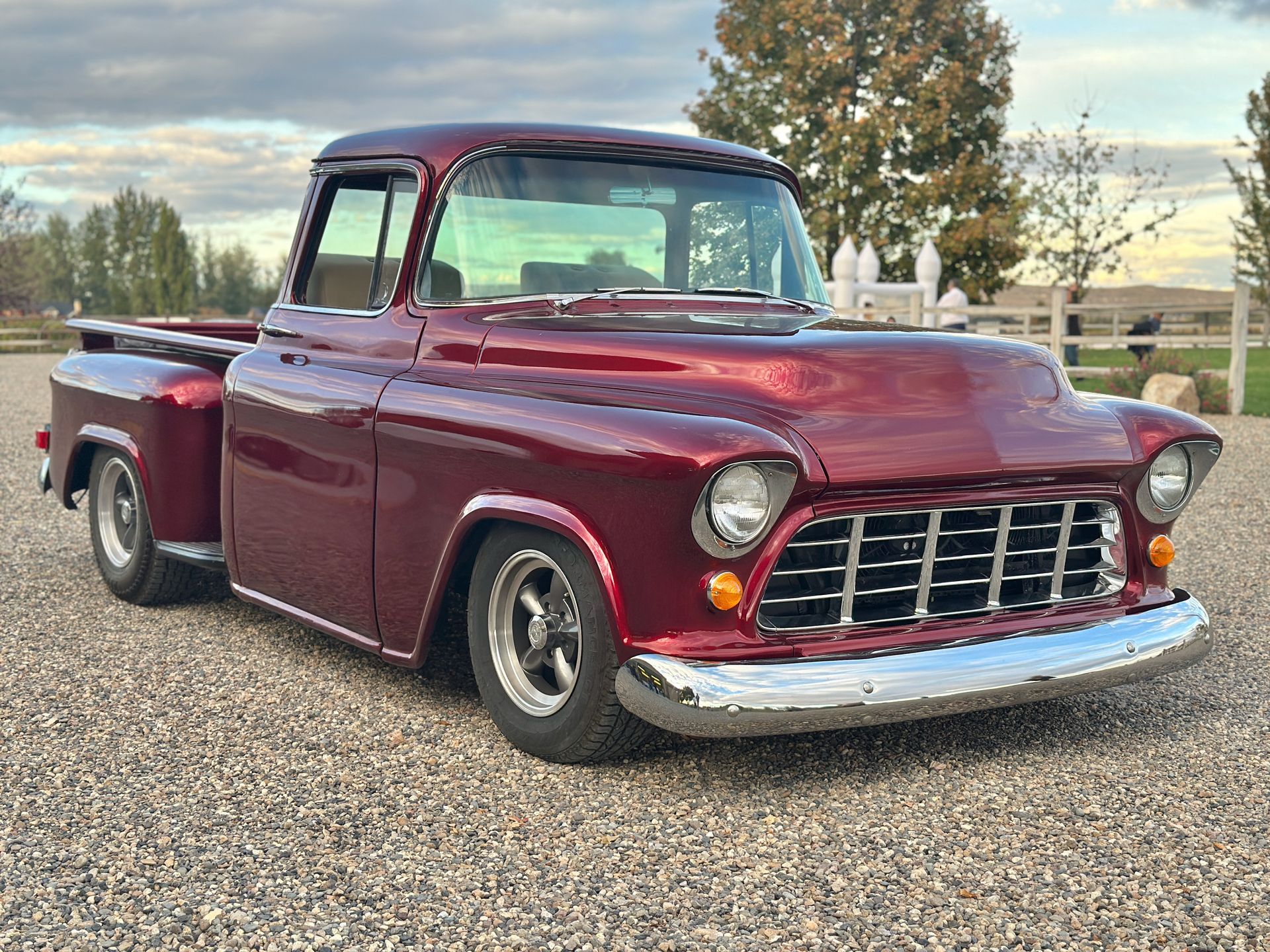
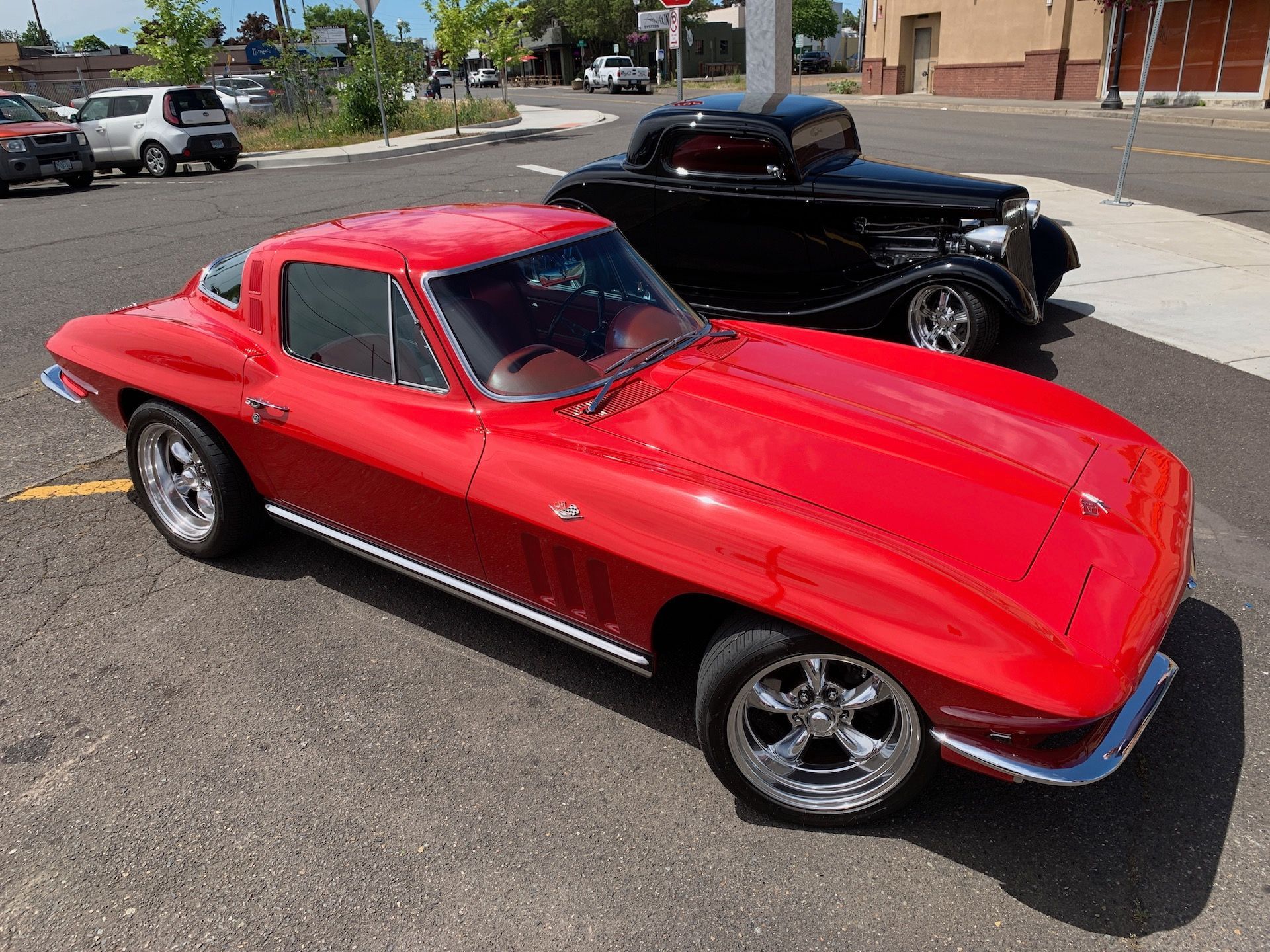
Show Car Detailing in Beaverton: Museum-Level Care for Classic, Collector, and Award-Winning Vehicles
Is it really worth spending money on detailing right before I sell?