How often do I need paint correction? (...and what does "paint correction" mean anyway?
How often do you need paint correction? (…and what is “paint correction” anyway?)
You should bring me your car for my free paint inspection at least once a year to make sure it’s staying in great condition so that it lasts as long as possible. It just feels wrong to drive a car with the paint looking faded, scratched, or dull.
I mean, you paid good money for that car right? So you want to maintain it and keep that pride of ownership as long as possible.
"Once a year huh Jason?"
This doesn’t mean you need my Full Standard Detailing Service every single year, but it’s wise to have me take a look and answer any concerns you may have about your car’s paint.
This service is free, and no appointment is needed. Just make sure your car is freshly washed prior to bringing it to me.
I will quickly inspect your paint and give you my recommendations based on what you want from your car.
I realize not every car needs to have show-car shiny paint 24/7. In fact, most of my clients just bring me their daily-drivers to maintain. I love working on show cars, but it’s your car that is my passion!
So what exactly is “paint correction”?
The term “paint correction” is just a fancy term we professional detailers call anything we do to your paint to “correct” problems.
More specifically, any time we fix a problem with your paint, we call it “paint correction”. We’ve “corrected” your paint so that it will last as long as possible and look great too.
What kinds of things will I find on your paint that you probably would miss??
Anyone can wash their car and look at the paint and see the most obvious problems like… those blobs of tree sap on your hood, or that scratch down the side from a bicycle, or that scuff on the bumper from cutting your garage door opening too tight that one time in the dark. (I know, your spouse did it right?)
But a professional like me looks a step further to see if there are less noticeable but even more degrading elements on your paint causing damage, things like:
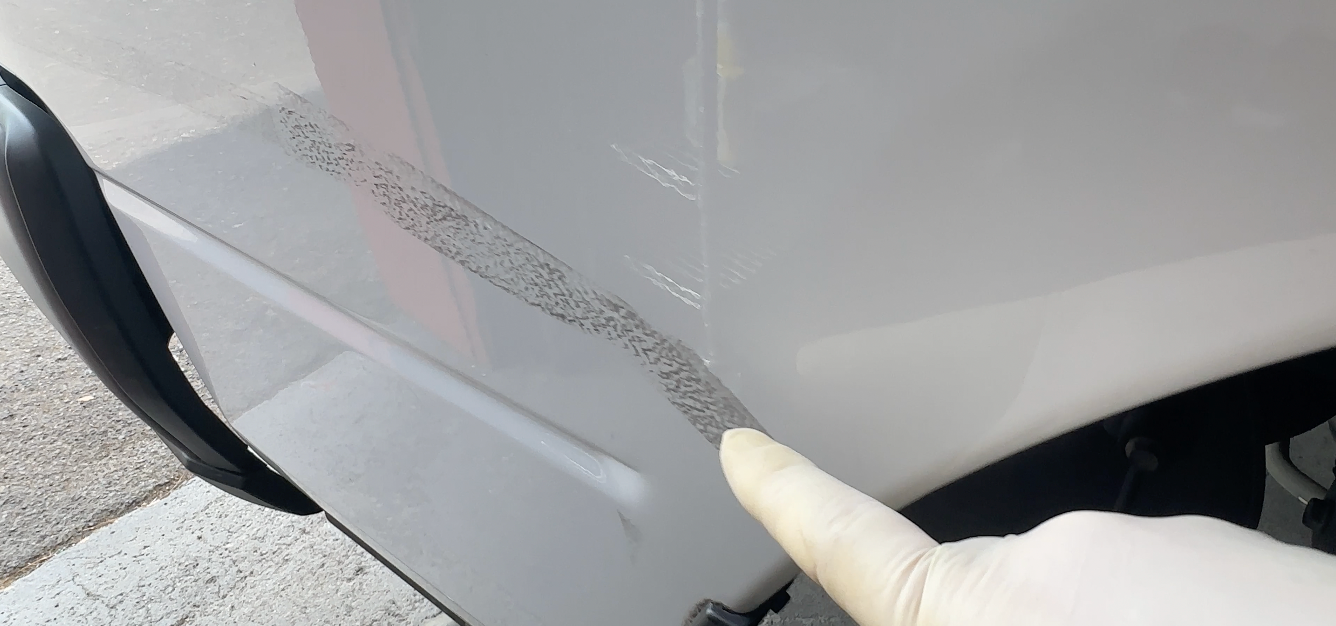
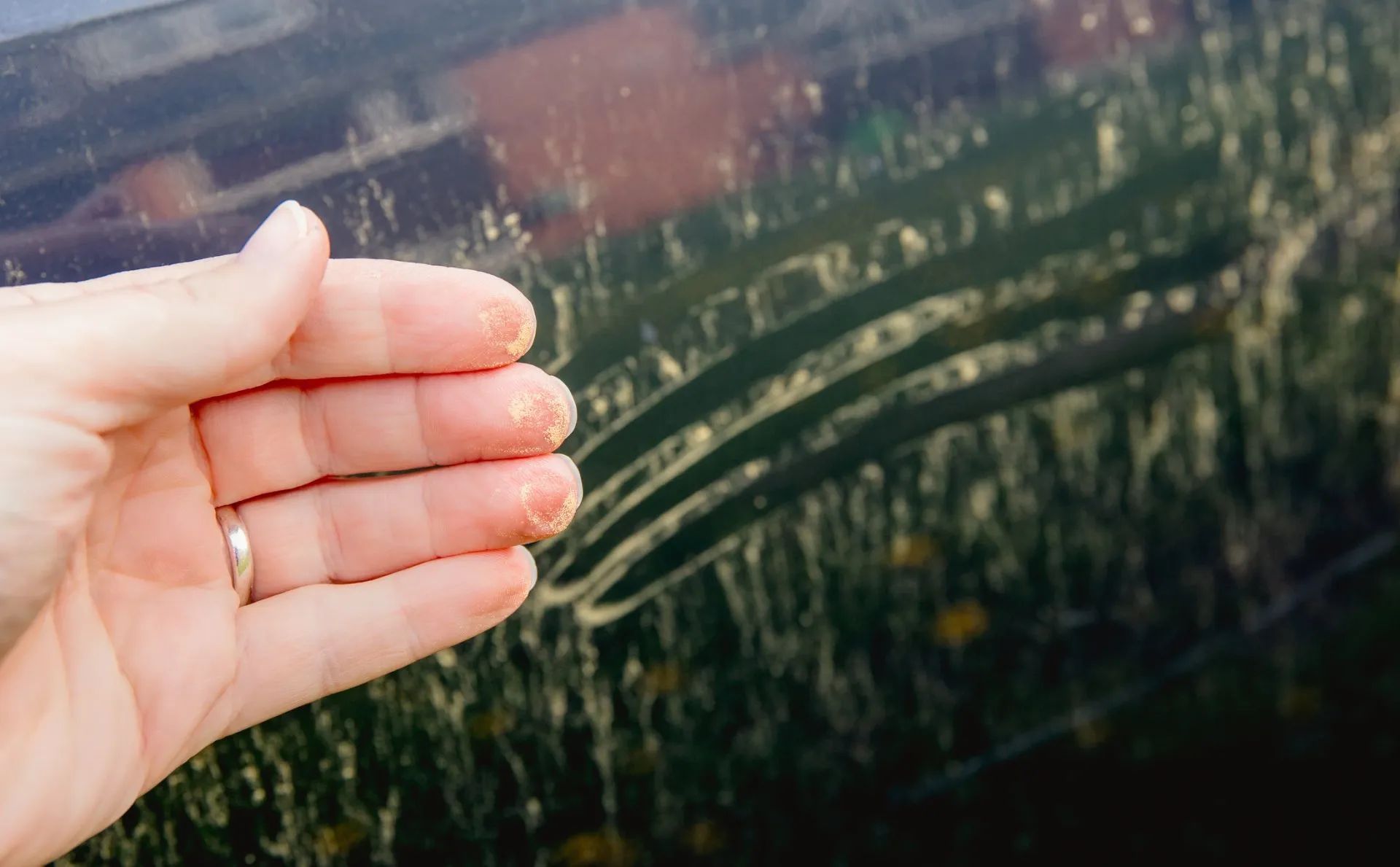
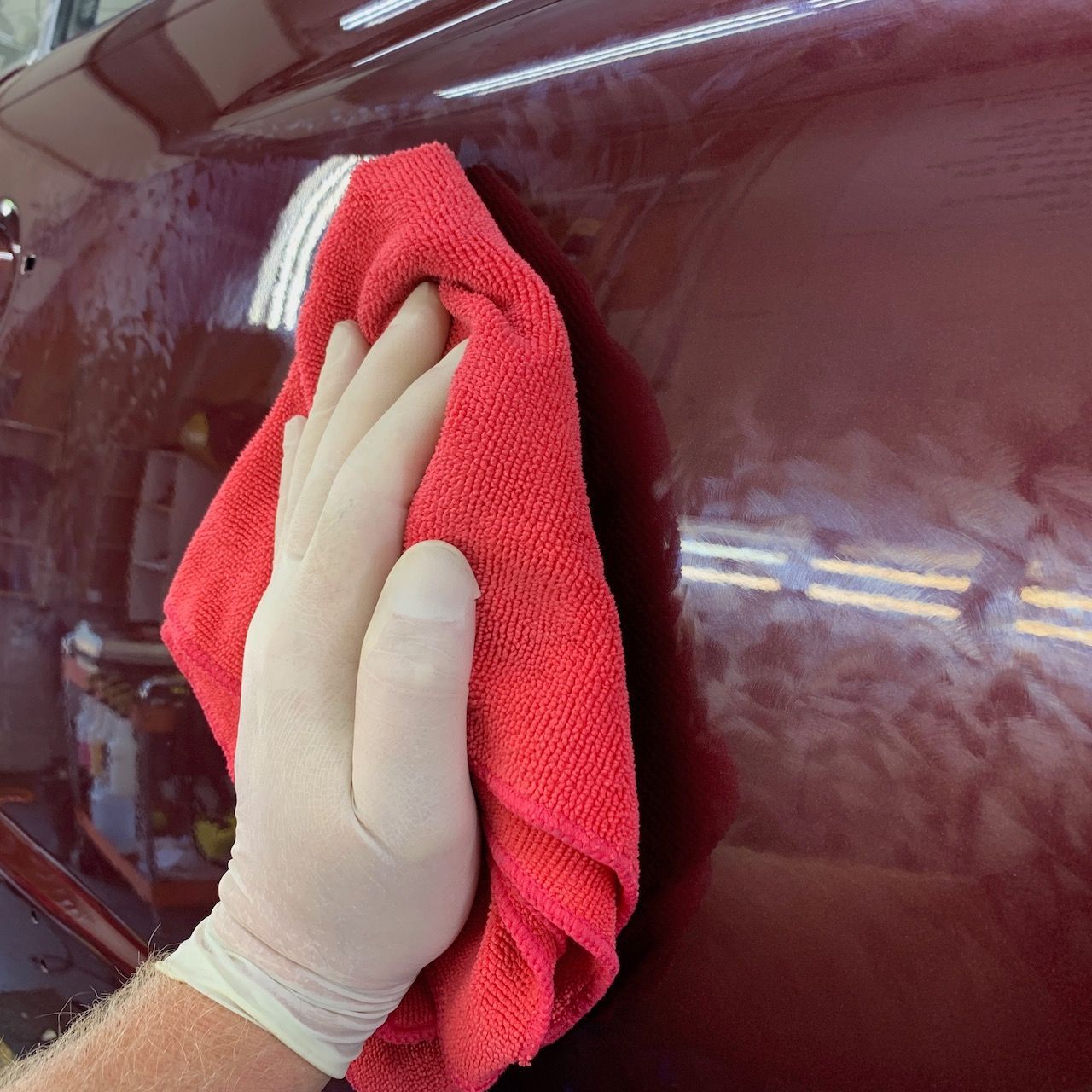
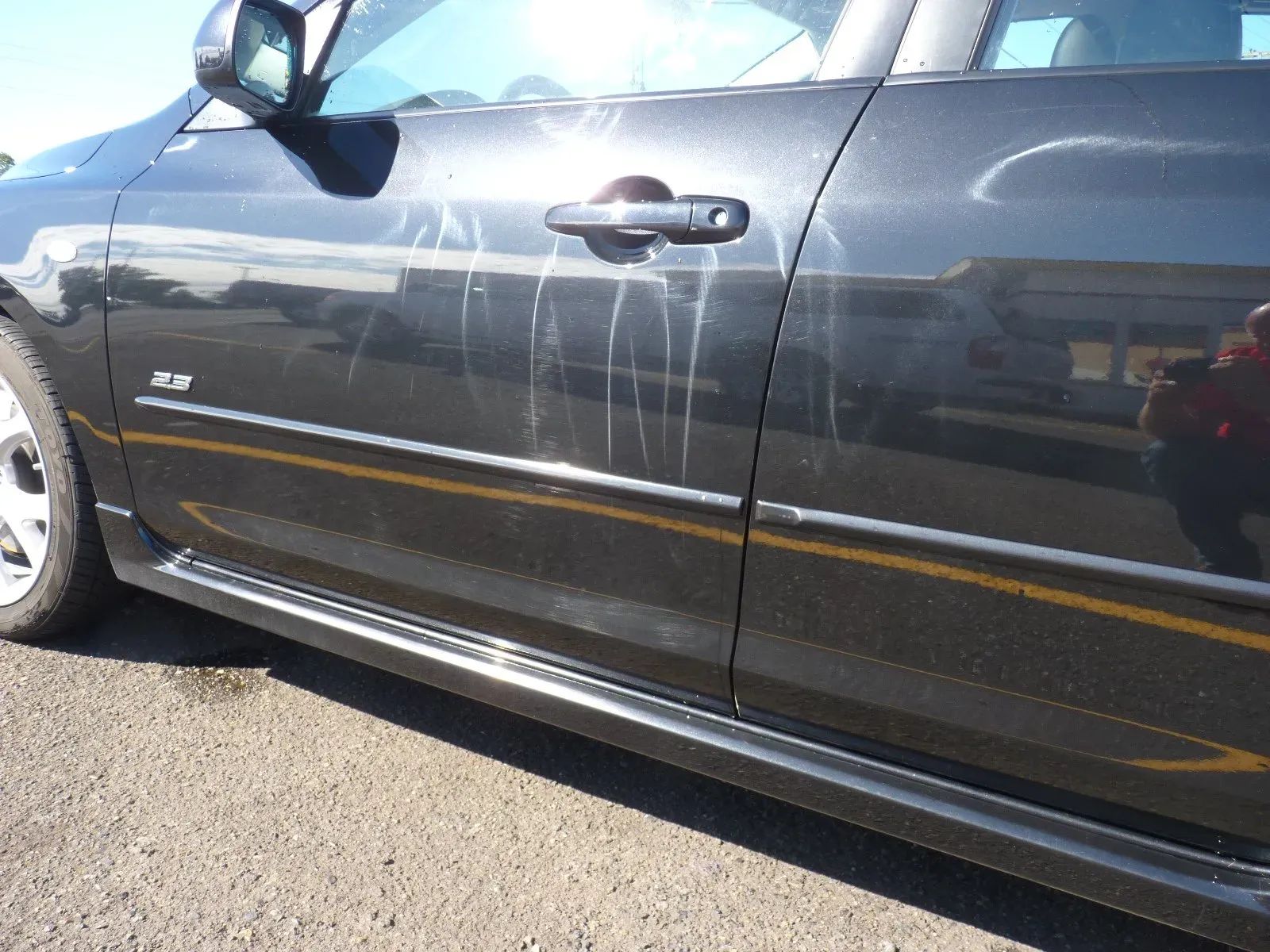
1) Micro-scratches: light scratches caused by improper washing technique or from unprofessional polishing methods (see the picture with this post for an example of micro-scratching and swirls)
2) Blemishes and/or stains: these can be something adhering to your paint that is difficult to remove, like tree sap for example. But oftentimes blemishes are the permanent damage that is caused by tree sap even after it has been safely removed.
3) Oxidation: caused by lack of UV protection from the sun over time. This is why permanent ceramic coatings are recommended because they do not need frequent reapplication (like waxes and sealants do) to protect your paint.
4) Paint overspray: most frequently caused by your neighbor painting his house without warning you to move your car first, but it's also very common during the spring and summer construction months when even professional painters are painting buildings with cars nearby. Sometimes you cannot see paint overspray, but you'll always be able to feel it.
5) Sap blobs: caused by parking under a tree, especially in warmer weather when trees drip sap more frequently.
6) Tar bits on the side of your car: caused by very small melted road tar bits flying up from your tires and attaching themselves to your paint. This occurs most frequently during hot summer months when tar is more fluid.
7) Road paint splatters: caused by you driving through wet paint. This paint needs to be removed ASAP due to how quickly this kind of paint can permanently damage your car's paint.
8) Industrial fallout: this can be a variety of different contaminants, the 2 most common are microscopic iron bits that adhere to your paint. (These are mostly from parking near railroad tracks) The second is exhaust fallout from jets while you're parked at the airport for an extended period of time.
All of these things will cause your paint to diminish quicker than usual, and will eventually cause dullness, loss of gloss, and permanent damage. Which basically means you’re now driving an ugly car that is worth less than it could be and is embarrassing to drive.
This is why every car dealer always performs “paint correction” on every car they display on their lot, because it makes every car worth more money, and more desirable to drive. And both of these reasons are the best reasons for you to see if your car could benefit from a paint correction service from me.
I urge you to take advantage of my free paint inspection service. Stop by with your clean vehicle anytime Mon-Fri 8am-3pm, it will only take a few minutes and you'll have the assurance that a professional is taking care of you with no obligation.
-Jason Barker, CD-SV